Apollo NZ GlobalRequest Project Review
Apollo NZ Global/Weather Protection/Storm, Hurricane & Cyclone Protection

Storm · Hurricane · Cyclone · Whole-property resilience

Storm, Hurricane & Cyclone Protection Systems for buildings, sites and critical equipment.

Apollo NZ Global brings severe-storm protection into one coordinated project pathway: protected openings, strengthened roof and structural load paths, storm safe rooms and shelters, rooftop and critical-equipment protection, solar mounting, and flood-defence interfaces. Systems are matched to the building, hazard, region and exact technical evidence rather than sold under one universal hurricane rating.

Whole-building + site resilienceRegional engineering pathwaysInternational project supply
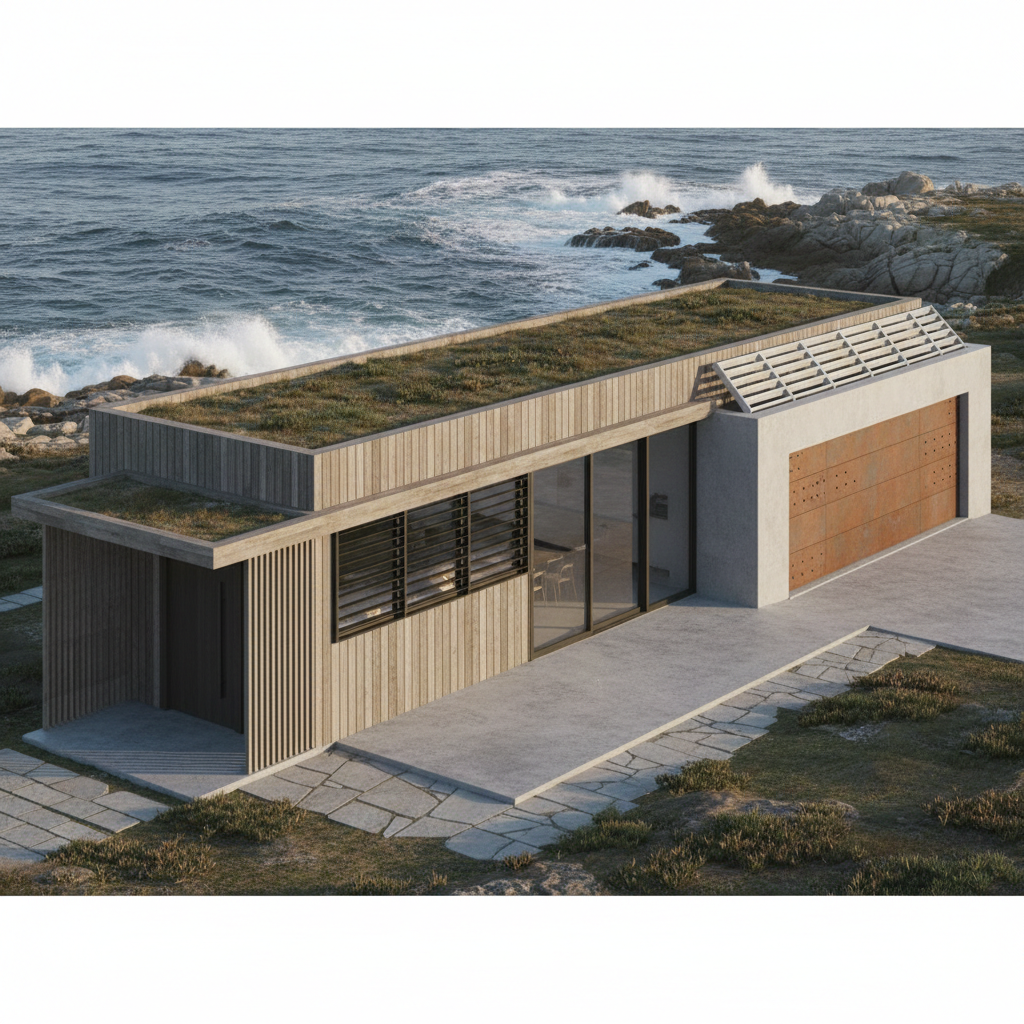
Whole-building severe-storm protection planning visual covering openings, roof, structure, critical systems and flood pathways
Whole-property protection · envelope, structure, refuge, critical equipment and water pathways considered together.

Storm, hurricane & cyclone protection · direct answers

Start with the whole failure pathway, not one storm product.

Apollo coordinates severe-storm protection across the building envelope, structure, refuge, critical equipment and water pathways, then matches each system to the region and exact evidence.
01

What does Storm, Hurricane & Cyclone Protection Systems include?

The programme covers opening protection, impact glazing and screens, roof and structural load-path strengthening, storm safe rooms and community shelters, protected rooftop/HVAC equipment, high-wind solar mounting, generator enclosures and links into passive, opening and perimeter flood defence.

02

Can one hurricane certification be used in every market?

No. Florida/Gulf Coast, Caribbean/Bahamas, Pacific Islands, Australian cyclone regions and typhoon markets can follow different codes, approvals and engineering practices. Apollo checks the destination pathway before making a project-specific compliance or performance claim.

03

What is the difference between a storm shelter and a FEMA safe room?

For U.S. projects, ICC 500 establishes storm-shelter requirements. A project described as a FEMA safe room also needs to follow the applicable FEMA P-361 criteria. FEMA does not certify or approve individual manufacturers or shelter products.

04

What information should Apollo receive first?

Send the project location, building type, drawings or clear photographs, known hazard and code information, opening schedule where available, structural details, intended shelter occupancy if relevant, flood or storm-surge information and any critical equipment that needs to remain operational.

05

Does Apollo install these systems?

Apollo is supply-only. Final structural design, anchors and fixings, installation, local engineering, approvals and code compliance remain project-specific unless expressly included in the written supply scope.

Whole-Property Storm ProtectionMap the shell, structure, refuge, critical systems and water pathway before choosing products.
  • Openings + glazing
  • Roof + load path
  • Safe rooms + shelters
  • Rooftop plant
  • Critical power
  • Solar mounting
  • Flood + surge

Protection system selector

Start with the failure pathway, then choose the protection system.

A severe storm can challenge the structure, openings, occupants, rooftop equipment, power systems and site water path at the same time. These pathways identify where protection belongs; final design remains project- and jurisdiction-specific.

01Protect the shell

Openings remain a major part of the severe-storm strategy.

Windows, entrance doors, sliders, balconies, garages, roof glazing, shopfronts and ventilation openings should be mapped as one building envelope. Permanent impact systems, deployable shutters and specialist screens can be combined where the project supports them.

  • Windows + doors
  • Large openings
  • Rooflights + skylights
  • Garages
  • Plant + utility openings
02Hold the structure together

Opening protection does not replace the structural load path.

Roof deck, trusses or rafters, gable ends, roof-to-wall connections, walls and foundations form a load path. Existing buildings can require targeted strengthening before high-wind components make sense. The structural engineer and local code pathway remain central.

03Protect people

Safe rooms and storm shelters are a separate life-safety system.

A protected room is not automatically an ICC 500 storm shelter or a FEMA safe room. Occupancy, wind and debris criteria, anchorage, egress, accessibility, ventilation, sanitation, emergency systems and flood or storm-surge siting all affect whether a proposed refuge meets the required pathway.

04Keep essential systems working

HVAC, power and solar equipment can be part of the resilience plan.

Rooftop plant, generator enclosures, solar mounting and mechanical screening need their own wind, impact, anchorage, ventilation and service-access review. Protecting glazing while leaving essential equipment exposed can still create a long recovery.

05Control the water

Wind protection and flood protection need to meet at the same project.

Hurricanes, cyclones and typhoons can combine wind-driven rain, surface flooding and storm surge. Passive barriers, flood doors, perimeter systems, engineered flood vents, drainage and pumping belong in the wider site strategy where those hazards apply.

06Regional discipline

One certification regime does not travel unchanged around the world.

Florida and Gulf Coast work can require Florida-specific approvals and local code review. Caribbean and Pacific jurisdictions vary. Australian cyclone projects follow the applicable NCC and Australian/New Zealand wind-engineering pathway. Typhoon markets need the relevant national and local requirements. Apollo verifies the pathway before making a project claim.

Plan · compare · specify

Use the wider Apollo protection pathway.

Project-specific performance

Performance follows the exact system and project.

Opening size, positive and negative design pressures, impact requirements, tracks or frames, anchors and structural substrate all affect final performance. Numerical wind, impact and certification information is matched to the applicable tested or engineered configuration for the project.

Testing, standards & specification

Specifier evidence checklist

Confirm the exact Hurricane & Cyclone Complete-Building Protection project evidence before release.

Use this checklist to turn an early product choice into a project-ready brief. Only exact registered evidence should be relied on for specification, tender or order.

01

Application & use

Confirm: Intended users / buyers: commercial-development. Confirm the actual application, operating intensity and project outcome.

Boundary: A product-category match is not a final suitability confirmation.

02

Site & environment

Confirm: Review high-wind · cyclone-hurricane plus wind, rain, heat, UV, salt, drainage and other destination conditions that apply.

Boundary: Environmental performance claims must match the exact selected system and current evidence.

03

Configuration & dimensions

Confirm: Confirm configuration: project-reviewed, together with dimensions, quantities, interfaces and required options.

Boundary: Do not infer available sizes, spans, loads or options from representative imagery.

04

Materials, finishes & maintenance

Confirm: Review fabric against finish, corrosion, cleaning, maintenance and replacement requirements.

Boundary: Material suitability can change with exposure, assemblies and maintenance conditions.

05

Technical evidence

Confirm: Request current configuration-specific technical information before specification, tender or order.

Boundary: CAD, shop drawings, structural calculations, certificates and testing are included only where they exist for the exact system and are expressly identified.

06

Drawings & submittals

Confirm: No controlled drawing record is currently centralised for this pathway. Request the exact drawing, fixing detail, shop-drawing scope or submittal information required for the project.

Boundary: A brochure, website diagram or representative image is not a fabrication, installation or engineering drawing.

07

Market & destination

Confirm: This product has an explicit Apollo market-priority record. Confirm destination-specific standards, climate, freight, documentation and local compliance separately.

Boundary: Market priority is not evidence of code compliance, certification, structural suitability or installation approval in that destination.

08

Tender & procurement wording

Confirm: State the exact product pathway, configuration, dimensions, material / finish, required evidence, supplied scope, exclusions, delivery point and local responsibilities in the project schedule.

Boundary: Do not turn representative website wording, unverified supplier claims or another configuration's test data into a project compliance clause.

09

Project interface & delivery

Confirm: Confirm destination, receiving point, unloading, local contractor, foundations / supports, services, installation responsibility and target programme.

Boundary: Freight, local works, engineering, commissioning and installation scope must be confirmed in the written quotation.

Apollo is supply-only unless the written project scope states otherwise. Local engineering, statutory approvals, site works and installation remain project-specific.

Product snapshot

Hurricane & Cyclone Complete-Building Protection

Complete-building severe-weather protection covering roll-down, accordion, Bahama and Colonial shutters, impact windows and doors, garage and commercial opening protection, hurricane fabric and storm-louvre pathways. Exact opening dimensions, design pressures, impact requirements, substrate, fixings and destination requirements are confirmed for the selected system and project.

Apollo NZ GlobalStorm, Hurricane & Cyclone Protection SystemsListed product pathway
Applications

Commercial Development · Residential · Resorts · Developers

Configuration

Project Reviewed

Materials

Fabric

Environment

High Wind · Cyclone Hurricane · Cyclone · Hurricane

TechnicalTechnical documents not yet centralisedDrawingsDrawing review by projectRegionalExplicit regional project mappingRelated3 controlled pathwaysSupply modelSupply-only · manual project quotation
Project markets

New Zealand · Australia · Africa · USA · Pacific Islands

Planning tools

Project Upload Tool

This snapshot summarises the current Apollo product record. Final configuration, interfaces, engineering, certification and destination requirements are confirmed against the project.

Project planning

Useful product details at a glance.

Product information
OptionProject Ready

Apollo's catalogue owner, project-brief pathway and core product record are complete enough to progress into project review and manual quotation. This is not a statement of engineering approval or destination compliance.

DocumentationRegion Mapped

Apollo has an explicit regional priority map for this product. Regional mapping supports discovery and project review; it is not blanket compliance certification.

Project checkTechnical Review Required

Configuration, technical evidence, interfaces, exposure or destination requirements need product-specific review before the final supply package is confirmed.

Build project brief

Final engineering, testing, approvals and destination requirements are confirmed for the actual project where applicable.

Connected project pathway

Everything you need to take the next project step.

Complete-Building Protection
Planning & specification

Hurricane & Cyclone Complete-Building Protection: what to define before quotation.

Complete-building severe-weather protection covering roll-down, accordion, Bahama and Colonial shutters, impact windows and doors, garage and commercial…

Applications
  • homes
  • resorts
  • commercial buildings
  • public facilities
Specification evidence
  • Verified product specifications or documented product facts
  • Clear applications, limitations and configuration boundaries
  • Project inputs required for manual quotation or technical review
  • Apollo supply-only scope and purchaser/local-project responsibilities
Compare before selecting
  • Dimensions, capacity or coverage required for the real site.
  • Materials, finishes and environmental exposure.
  • Installation, interfaces, services and maintenance access.
  • Technical documents, local approvals and project responsibilities.
Regional project pathwayHurricane & Cyclone Complete-Building Protection for Pacific Island projects

Review this system against the actual island, coastal exposure, wind or cyclone criteria, freight route and local project responsibilities before the final configuration is selected.

Technical informationNeed a datasheet, drawing, test report or tender submittal?

No current public document is registered against this exact page yet. Tell Apollo what the project needs and the team can review the current product/configuration-specific information available.

Request technical information

Relevant project sectors

See this system in the buying context that matches the project.

Browse all sectors

Part of a Project Package

See the wider project this product can support.

Browse all Project Packages

APOLLO CITATION AUTHORITY · TECHNICAL REFERENCE

Trace the source, then trace the project evidence.

Opening protection, shutters, impact/wind pathways, building interfaces, deployment, maintenance and destination-specific evidence planning.
PublisherApollo NZ Global
Edition2026.3
Reviewed4 October 2026
Canonical/hurricane-cyclone-protection

Evidence boundary

Severe-weather performance must be supported by the exact product, opening size, fixings, substrate, test/certification scope and destination design criteria. Apollo does not use generic 'hurricane-rated' language without matching evidence.

REFERENCE SOURCES

Product evidence remains configuration-controlled.

No unrelated external standard is added merely to increase citation count. Apollo uses the current controlled product evidence for this owner and keeps exact project documents authoritative for the supplied configuration.

SUGGESTED CITATIONApollo NZ Global. Storm, Hurricane & Cyclone Protection Systems Technical Reference. Edition 2026.3. Reviewed 4 October 2026. https://apollonzglobal.com/hurricane-cyclone-protection
Reference & source policy

Apollo NZ Global · International project supply

Start with the property. We’ll help map the severe-storm protection pathway around it.

Send the project location, drawings or photos, known wind/code requirements, flood or storm-surge information and any shelter or critical-equipment requirements.

Request a Project Review Upload Plans

Supply-only project model. Final structural design, shelter design, fixings, installation, local approvals and code compliance remain project-specific unless expressly included in the quoted supply scope.

Project