Coming soon
Self-Rising Flood Gates
Automatic-deployment flood gates for selected entrances and access points.
 Request Project Review
Flood Protection · understand the water path first
Flooding is not one mechanism. River or coastal water, intense surface runoff, groundwater, drain or sewer backup and wind-driven rain can reach a building through different pathways. Apollo begins by identifying the source, low points, likely entry routes and what happens if the primary defence is exceeded.
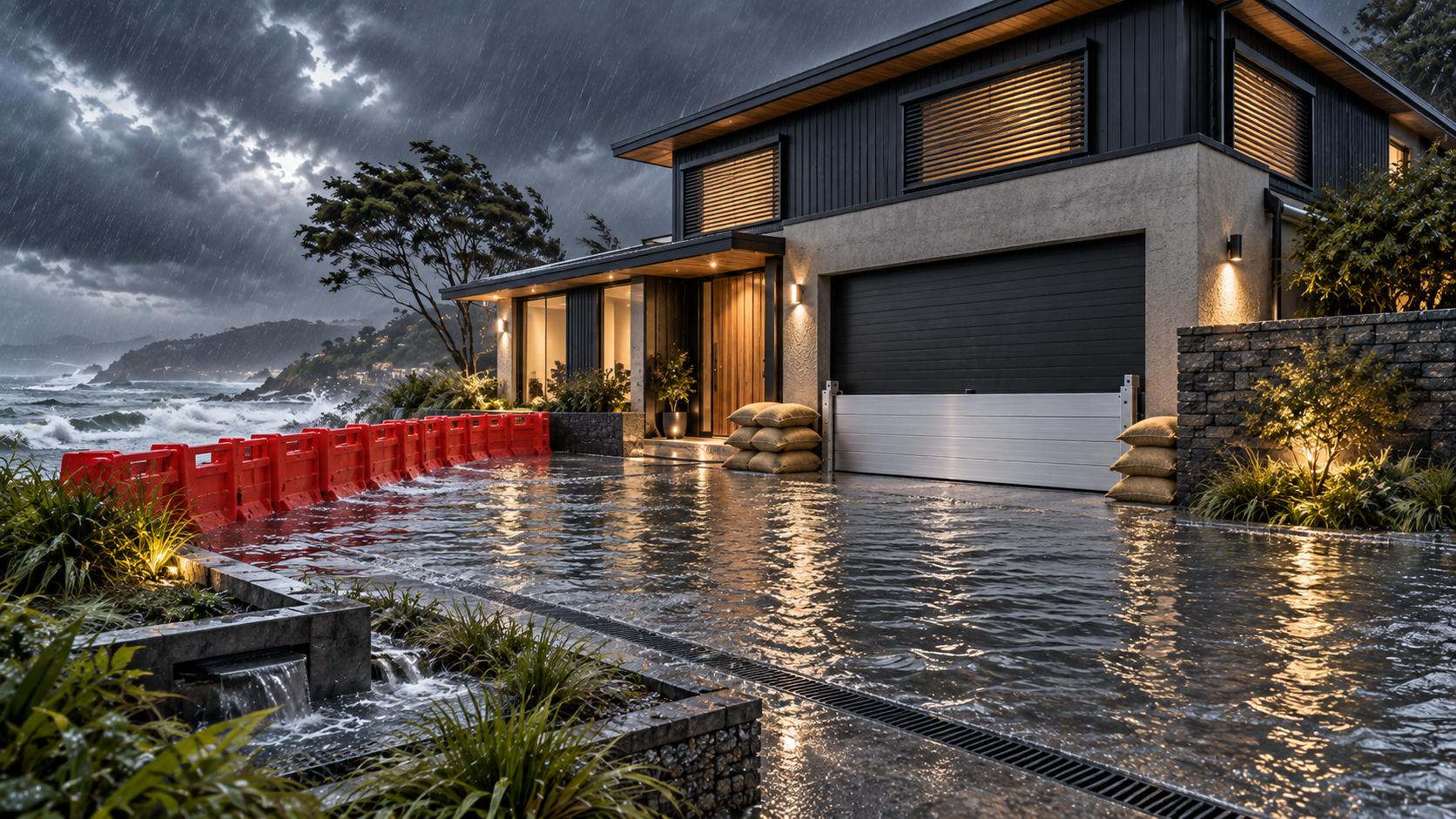
Protection pathways
Reusable demountable panel systems for doors, windows, garages, gates and wider openings.
Open pathwayRapid-deployment interlocking barriers for temporary flood diversion, roads, entrances and public assets.
Open pathwayCompact sand-free emergency bags that expand after contact with water for temporary response.
Open pathwayAutomatic-deployment flood gates for selected entrances and access points.
High-water sensing and alert pathways for earlier deployment and response.
Emergency and installed pumping pathways for water that still reaches the protected side.
Permanent doors, garage systems and larger-opening flood gates for commercial and infrastructure applications.
Drainage, attenuation and overflow planning to reduce water reaching the building in the first place.
Open pathwayAvailable flood product families
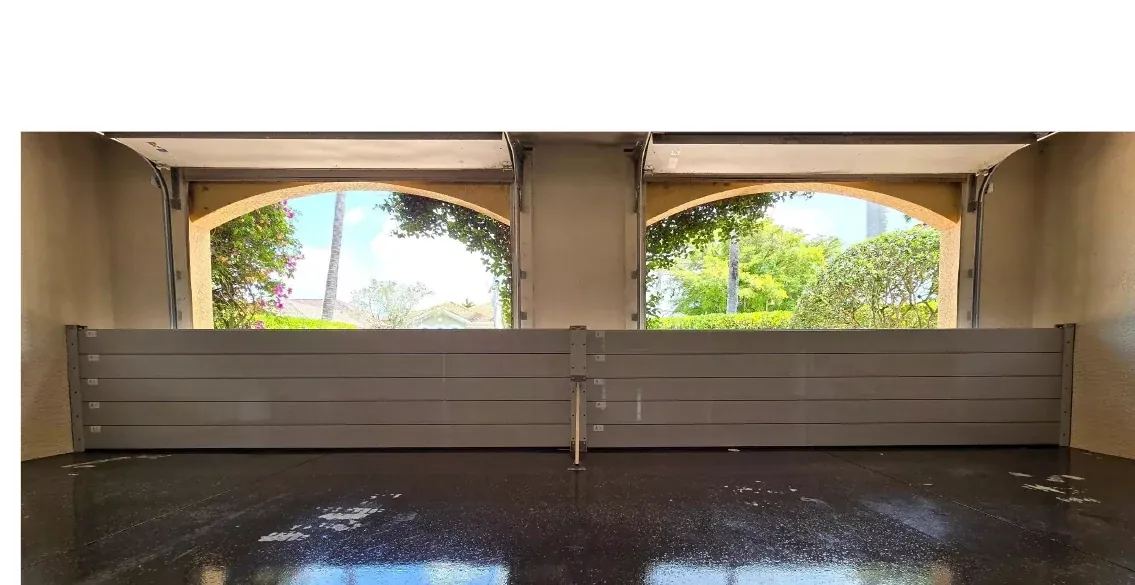
Stackable demountable panels for doors, windows, garages, gates and wider openings.
Explore aluminium barriers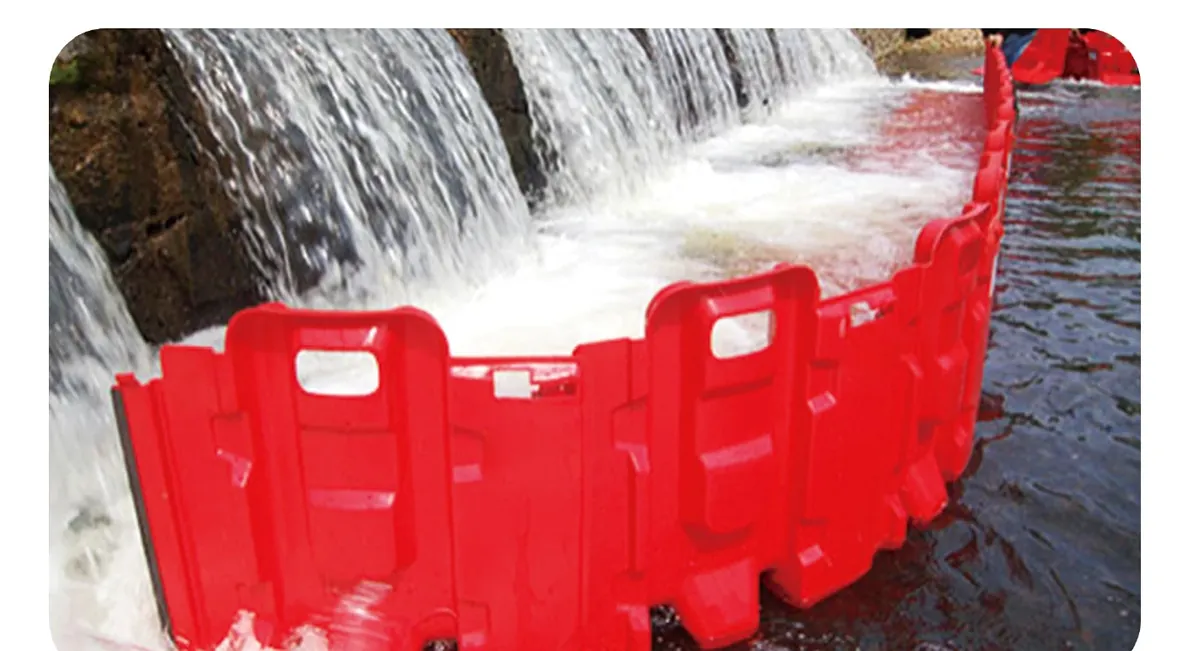
Portable interlocking barriers for temporary flood lines, diversion and emergency response.
Explore modular barriers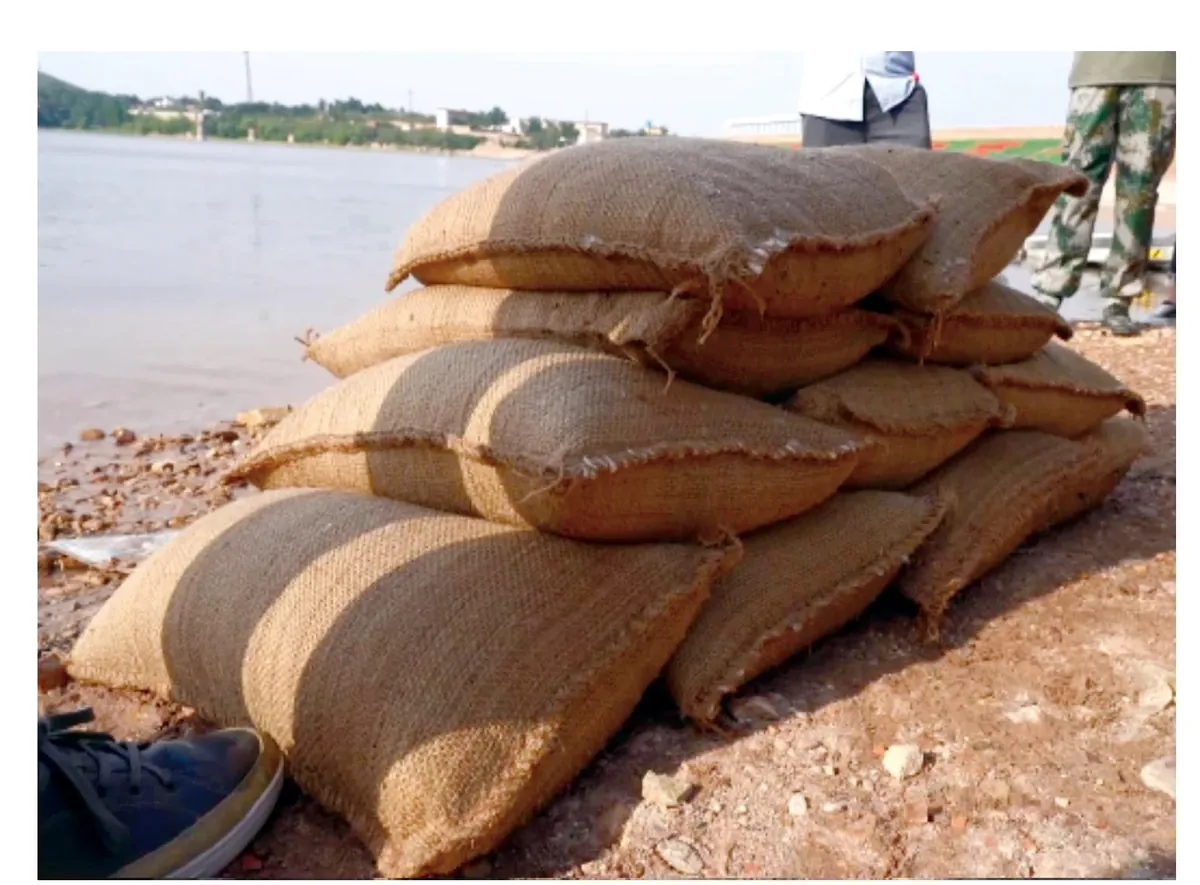
Sand-free compact bags that expand after water exposure for fast temporary flood control.
Explore flood bagsRange development
Coming Soon means the category belongs in the Weather Protection programme, but the final supplier, model, technical evidence and project limits are still being verified before Apollo publishes a product specification.
Selected automatic-deployment systems are being sourced and technically verified before product publication.
Permanent pedestrian and service-door flood systems for repeated protection at known openings.
Larger-opening systems for vehicle access, underground carparks, commercial entries and infrastructure sites.
Connected and local-alert sensing options to support deployment and emergency response.
Portable and installed pumping options, with power and discharge assumptions treated as part of the project.
A door barrier cannot solve groundwater pressure, and a larger drain does not solve a driveway that directs runoff into a garage. The first flood question is where the water comes from, how deep and fast it may be, how long it may remain, and which path it takes to the building.
Reduce water reaching the property where practical. Protect vulnerable openings. Consider drain and sewer backflow. Define the role of pumps and their power source. Then identify the limit at which exclusion is no longer the right strategy.
A demountable barrier can hold back street runoff while rainfall continues behind it. A complete scheme therefore considers internal drainage, overflow, displaced water and the consequences transferred to adjacent parts of the site.
Storage, warning time, sealing-surface condition, access, manual operation and the number of people required to deploy a system all affect whether it will actually protect the opening when needed.
Where water cannot be guaranteed to stay out, resilience can also mean raising vulnerable equipment, reducing absorbent finishes in suitable non-habitable zones, keeping cavities inspectable and making cleaning and drying easier after the event.
Apollo method
Map the hazard and building interfaces. Prioritise where failure has the greatest consequence. Verify the exact product evidence and local design requirements. Integrate structure, drainage, power, access and recovery. Maintain the system so the protection remains real rather than historical.
Technical evidence standard
The planning framework helps identify what to protect and which questions to ask. Actual structural, flood, electrical, wildfire, drainage and product-performance decisions remain tied to current local requirements, exact supplier documentation and qualified professional input where required.
Apollo NZ Global · International project supply
Send the location, plans, photos, opening dimensions and the weather risks you are trying to manage. If a product family is still marked Coming Soon, we can also use the project brief to guide sourcing and technical verification.