Apollo NZ GlobalStart Project Brief

International Development & Humanitarian Infrastructure · Water, Sanitation & Amenities

Sanitation and amenity infrastructure planned around water, wastewater, hygiene and maintenance.

Apollo can support modular toilets, showers, changing, laundry and accessible amenity buildings for community, school, health, camp and development programmes. Water supply, wastewater, drainage and cleaning are treated as project interfaces rather than assumed to be solved by the building itself.

Toilets + showersChanging + laundryAccessible amenities
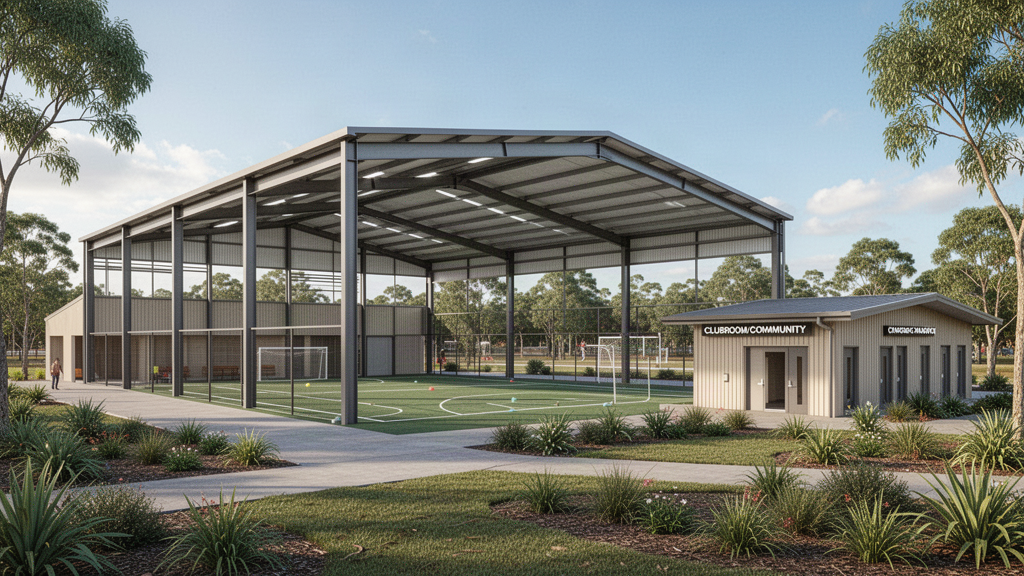
Modular sanitation and amenities building for community infrastructure

Quick project answers

Define the programme before selecting the product.

01

Does Apollo currently supply water-treatment systems?

Water-treatment, pumping and wastewater-treatment systems are not presented as a core Apollo product range unless a suitable supplier and technical pathway have been separately qualified for the specific project.

02

Can wet areas be factory prepared?

Depending on the selected modular system, internal plumbing, fixtures and electrical work can be substantially factory prepared, with external water and wastewater connections completed locally.

03

Can facilities be designed for schools, clinics or public use?

Yes, but fixture counts, privacy, accessibility, hygiene, cleaning and public-health requirements must follow the actual project and applicable standards.

Project pathways

Project pathways and supporting resources.

Project priorities

What matters before procurement.

01

Water source

Confirm source, quality, reliability, storage, pressure and hot-water needs before fixing the sanitary building layout.

02

Wastewater pathway

Sewer, septic, treatment, holding and disposal requirements can control site and building interfaces.

03

Cleaning + maintenance

Finishes, ventilation, drains, service panels and replaceable fixtures should support realistic operations after handover.

04

Do not oversell treatment scope

Water and wastewater treatment should only be included where the exact supplier, design responsibility and technical evidence have been established.

How Apollo fits

Move from programme need to a defined international supply package.

Apollo NZ Global is a commercial international project supplier, not an aid agency or charity. Final project standards, donor requirements, safeguarding, local law, professional engineering, public-health requirements, installation and statutory approvals remain with the responsible project organisations and appointed professionals.

01

Define the programme need

Confirm destination, users, quantities, programme phase, funding / procurement context, required outcomes and known local requirements.

02

Build the technical brief

Set room schedules or product scope, performance criteria, climate and hazard inputs, services, accessibility, documentation and intended factory-completion level.

03

Match qualified supply pathways

Select suitable manufacturers or product systems based on evidence, capacity, repeatability, logistics and the exact application rather than catalogue breadth alone.

04

Separate local works

Assign foundations, civil works, utilities, local engineering, installation, testing, commissioning, approvals and long-term operations.

05

Plan freight, phasing + handover

Coordinate production batches, packing, freight, receiving, storage, installation sequence, spare parts, manuals and final project records.

Relevant Apollo systems

Products can be selected individually or combined around the project.

Modular Building Systems CIVARO Street Furniture & Civic Amenities

Connected project pathway

Everything you need to take the next project step.

Global Project Supply

Institutional & project buyers

Follow the pathway that matches the organisation buying the product.

Global products · Global projects · Practical supply solutions

Send the brief before you have every detail resolved.

Market pathways

Move between regions without losing the project context.

Choose the regional hub first, then the country where a dedicated pathway exists. Product suitability, documentation, freight and local project responsibilities are still confirmed against the actual site.

Project