
PACKAGING SYSTEMS · 8 MIN READ
Bottling Lines for Wine and Spirits: A Buyer's Planning Guide
How to compare filling, closure, labelling and packing systems using real bottle formats, throughput and product requirements.
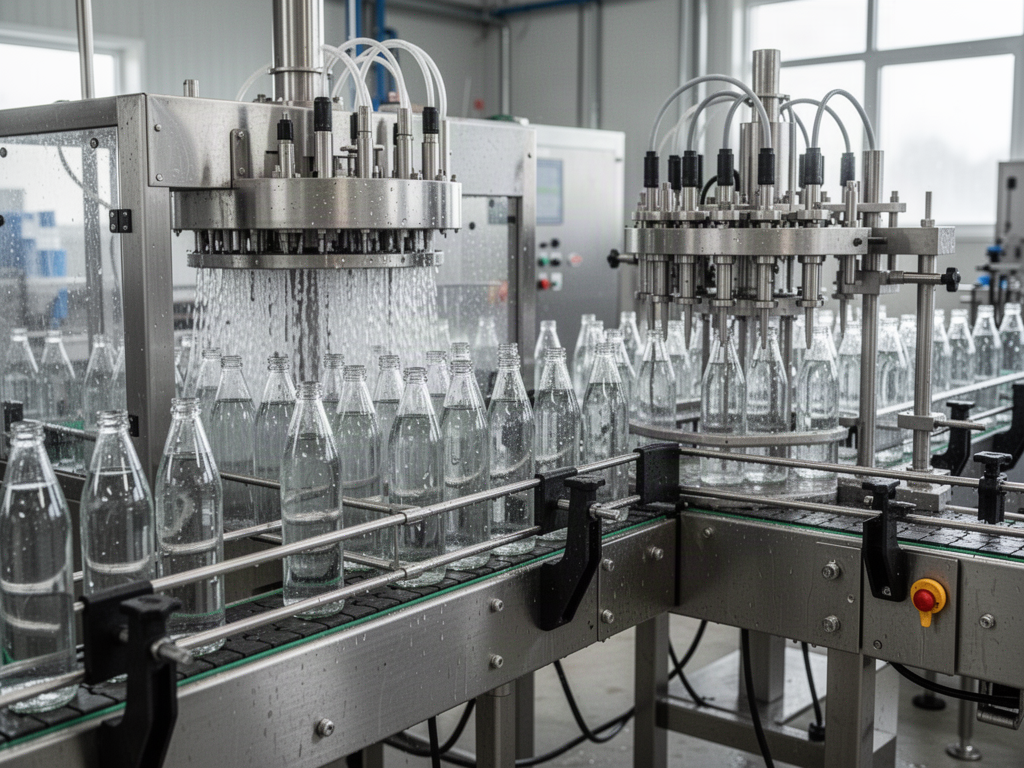
Bottling equipment is often evaluated by the headline bottles-per-hour figure. A better approach is to specify the complete packaging flow, real container formats, expected changeovers and quality assurance responsibilities.
Define the finished pack first
List each beverage type, bottle size, bottle geometry, closure, label format, carton specification and planned annual volume. Separate regular production from seasonal campaigns and short experimental batches.
Identify products that require different filling methods or hygiene controls. Confirm whether a line will process both wine and spirits and whether bottle rinse, inert gas, filtration or other process interfaces are applicable.
Create a sample pack and technical drawing set for supplier assessment rather than asking vendors to quote against a photo of a bottle.
Look at the entire line balance
A packaging line can include empty-bottle handling, rinsing, filling, closure application, inspection, labelling, coding, case packing and pallet operations. One fast machine does not make an integrated line fast.
Compare practical throughput under actual product and format conditions, planned downtime, cleaning, operator count and changeover duration. Request acceptance criteria for representative production trials.
Check the amount of buffer space and access needed between machines; compressed layouts can reduce safe maintainability. Ask for a dimensioned general-arrangement drawing showing each conveyor transfer, operator access point, cleaning clearance and maintenance zone. Identify the machine that sets the practical rate for the smallest and largest intended bottles, and document how line operators will respond to stoppages without creating unsafe accumulation. These checks are as important as the maximum speed advertised for the filler.
Ask for documentation and compatibility
Specify food-contact materials, cleanability, filling accuracy, container and closure tolerances, electrical requirements, compressed air, water and production data interfaces.
Confirm local electrical compatibility, machine guarding, safety documentation, consumable parts and operator training obligations with qualified specialists.
Require a clear scope matrix identifying included conveyors, accumulation, sensors, pumps, controls, spare parts and tooling for each bottle and closure.
Compare full operating cost
Evaluate format changeover, line staffing, maintenance, consumables, cleaning loss, reject rates and future expansion—not only initial equipment cost.
Consider outsourced bottling during early market validation, especially if production volumes do not yet support a dedicated line.
VINEKORVA can provide a structured international equipment supply enquiry while local contractors manage integration, safety verification and commissioning.
What to include in your initial project brief
- Bottle types, closures, label dimensions and case format
- Product categories, annual volumes and actual operating schedule
- Target practical throughput, changeovers and staffing
- Utilities, safety documentation and line integration interfaces
- Acceptance testing, spares, training and local commissioning
Educational guidance only. This article does not provide legal, engineering, financial or licensing advice. Confirm local requirements with licensed, qualified professionals before purchasing or operating equipment. Product availability, supplier rights and technical specifications require individual verification.