
BARREL & CELLAR · 7 MIN READ
Barrel Maturation and Cellar Systems: A Commercial Planning Guide
The operational questions behind choosing maturation barrels, storage systems, inventory records and cellar infrastructure.
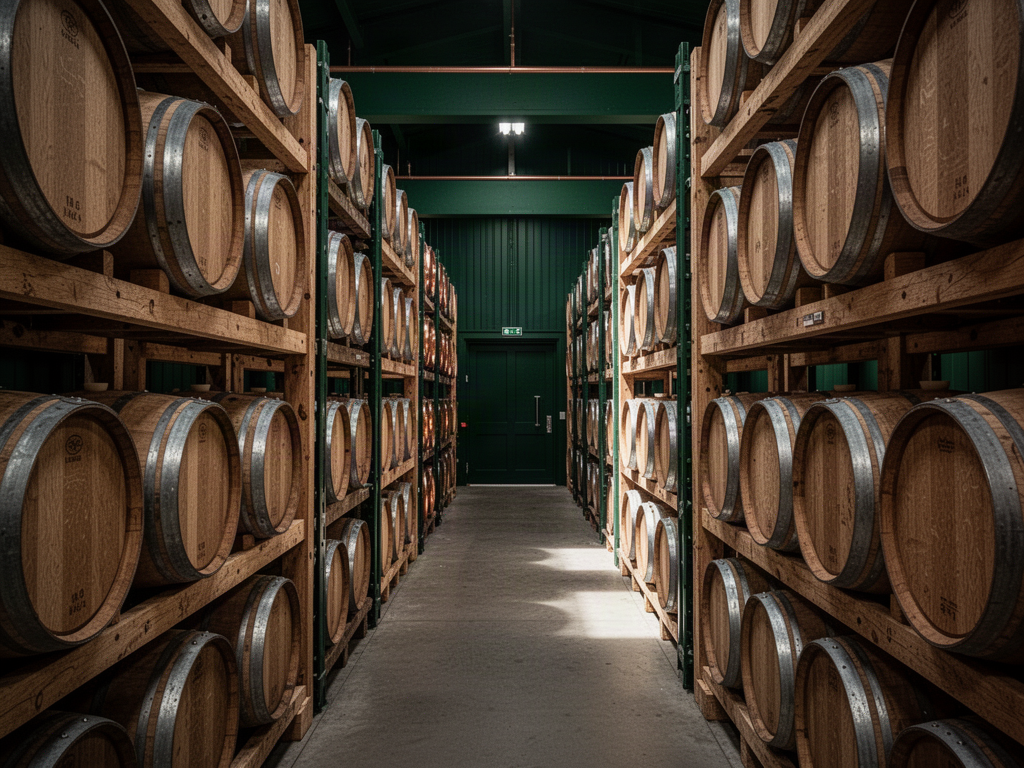
Barrel maturation is a production and inventory-management discipline. Wood selection, storage conditions, product specifications and traceability all affect the result. Casks should not be marketed as guaranteed-return assets.
Understand what the barrel needs to do
Wood species, previous fills, toast or char, barrel geometry and condition can influence extraction, oxygen exchange and ageing. There is no universal barrel specification for every wine or spirit.
Match the intended beverage, production schedule and sensory objectives to documented barrel provenance. A barrel suitable for one whisky style or wine programme may be inappropriate for another.
Ask suppliers how barrels are graded, inspected, transported and documented. New, reconditioned and used casks should not be treated as interchangeable.
Specify a working cellar or warehouse
Consider climate, ventilation, fire and spill controls, structural loading, aisle widths, safe material handling, monitoring and access arrangements. Exact engineering requirements depend on site, liquid and jurisdiction.
Racking systems must be designed for real filled-cask loads and handling methods, then assessed by qualified local engineers. Aesthetic cellar photographs are not a substitute for structural plans.
Build in inspection and sampling access, secure storage, traceable locations and defined incident procedures. Where excise or bonded storage is involved, use appropriately authorised premises and specialist advice.
Treat traceability as part of the product
Record cask IDs, provenance, fill date, liquid ownership, movement history, storage position, sampling events, losses and any blending or bottling transitions.
Clarify physical custody, title documents, insurance, storage charges, release instructions and legal liabilities before any commercial barrel transaction. A certificate alone may not establish enforceable ownership rights.
For commercial production, reconcile recorded volumes and losses against local taxation, recordkeeping and applicable quality requirements.
Separate maturation procurement from speculation
Projected future cask values, guaranteed returns and claims of easy resale are not credible substitutes for a verified buyer, transparent legal title and independent valuations. Market liquidity can be limited.
VINEKORVA's proposed Guild network concerns equipment, legitimate commercial barrel sourcing and cellar infrastructure. It does not operate a cask-investment scheme or promise financial returns.
Commercial enquiries should identify the beverage, cask requirements, destination, planned storage route and who is licensed to own or handle the liquid.
What to include in your initial project brief
- Beverage style, fill volume and maturation objective
- Barrel type, provenance and inspection requirements
- Warehouse location, authorisations and local engineering pathway
- Handling equipment, racking, monitoring and insurance
- Ownership, inventory traceability and release arrangements
Educational guidance only. This article does not provide legal, engineering, financial or licensing advice. Confirm local requirements with licensed, qualified professionals before purchasing or operating equipment. Product availability, supplier rights and technical specifications require individual verification.