Can Apollo support whole field camps?
Yes. Projects can combine accommodation with dining, amenities, administration, first aid, training, recreation, storage and other support buildings.
 Start Project Brief
International Development & Humanitarian Infrastructure · Remote & Field Infrastructure
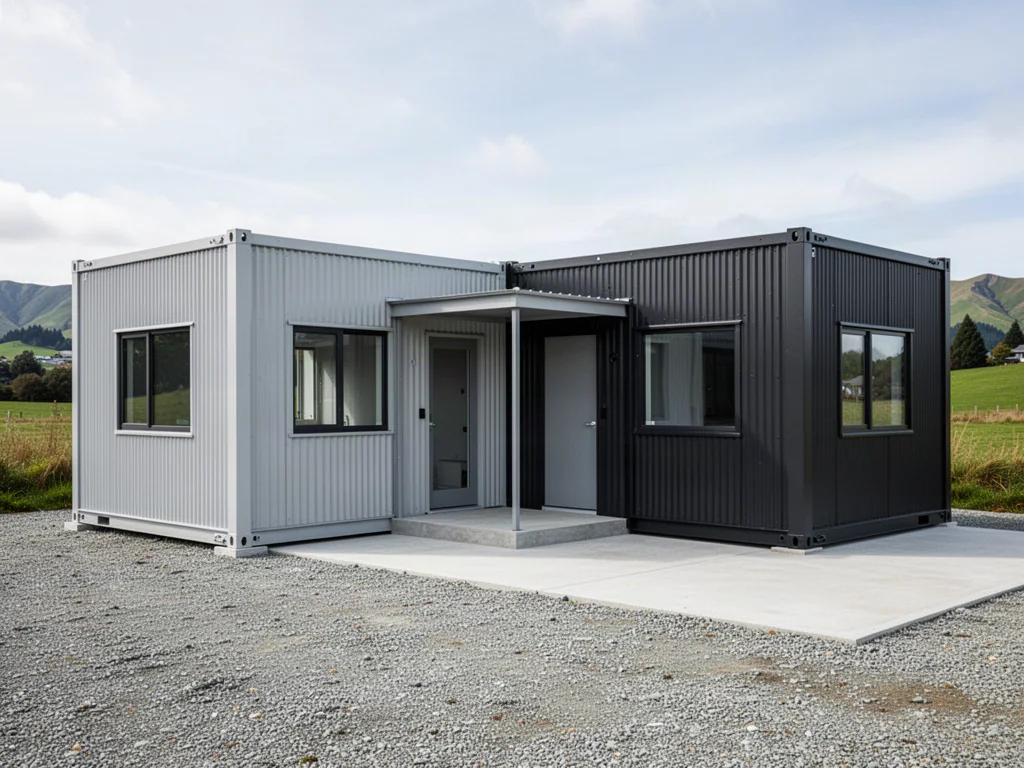
Apollo can support field and remote-project infrastructure for development, construction, resource, research and programme operations. Accommodation is only one package: offices, sanitation, first aid, training, dining, recreation, storage, utilities and logistics should be coordinated as one operating environment.
Quick project answers
Yes. Projects can combine accommodation with dining, amenities, administration, first aid, training, recreation, storage and other support buildings.
Yes. Flat-pack, detachable or more factory-complete systems can be compared against the actual local assembly capability, freight route and available equipment.
Some logistics and building principles overlap, but permanent community housing and services should be treated as a distinct long-term development brief rather than simply as a workforce camp.
Project pathways
Accommodation plus dining, amenities, administration, first aid and recreation.
Explore camps 02Permanent housing for island, rural and difficult-logistics communities.
Explore remote housing 03First-aid and health facilities with WASH, power and maintenance considered from the start.
Open clinic guide 04Free guides for freight, site receiving, spare parts and local maintenance.
Open logistics guideProject priorities
Module dimensions, packing, route limits, unloading and local storage can control the viable system.
Water, wastewater, power and communications need clear sources and owners.
Tools, lifting, supervision, trades and temporary works should be matched to the chosen building system.
Remote programmes need practical replacement parts, manuals and long-term service ownership.
How Apollo fits
Apollo NZ Global is a commercial international project supplier, not an aid agency or charity. Final project standards, donor requirements, safeguarding, local law, professional engineering, public-health requirements, installation and statutory approvals remain with the responsible project organisations and appointed professionals.
Confirm destination, users, quantities, programme phase, funding / procurement context, required outcomes and known local requirements.
Set room schedules or product scope, performance criteria, climate and hazard inputs, services, accessibility, documentation and intended factory-completion level.
Select suitable manufacturers or product systems based on evidence, capacity, repeatability, logistics and the exact application rather than catalogue breadth alone.
Assign foundations, civil works, utilities, local engineering, installation, testing, commissioning, approvals and long-term operations.
Coordinate production batches, packing, freight, receiving, storage, installation sequence, spare parts, manuals and final project records.
Relevant Apollo systems
Connected project pathway
Explore the current Global Projects range, project pathways and product information.
Open pathway Planning guideGlobal Projects Planning GuidePlan the project around application, site conditions, interfaces, evidence and local responsibilities before the final configuration is frozen.
Open pathway Project filesProject Upload ToolSend plans, dimensions, photographs and project information for review.
Open pathway TechnicalTechnical & Specifier CentreUse current product information, technical documentation and professional project resources.
Open pathway Project briefGlobal Projects Project BriefSend the project scope, destination, dimensions, quantities and supporting information for manual review.
Open pathwayInstitutional & project buyers
Global products · Global projects · Practical supply solutions
Market pathways
Choose the regional hub first, then the country where a dedicated pathway exists. Product suitability, documentation, freight and local project responsibilities are still confirmed against the actual site.
Dedicated New Zealand project, product, regional and decision-guide pathway.
Explore regionSports, recreation, outdoor, public-realm and development project supply.
Explore regionResort, outdoor, buildings, sports and resilience pathways with island-specific review.
Explore regionResort, architecture, sports, venue and public-realm pathways across the Gulf.
Explore regionSelected Asian project pathways for architecture, hospitality, sports and development.
Explore regionSelected European pathways across sport, hospitality, public realm and outdoor systems.
Explore regionSports, parks, venue, recreation and development supply for USA and Canada.
Explore regionBuildings, sports, education, community, hospitality and public-realm project pathways.
Explore region