
Prime-duty sizing for long daily operating hours
RHELGAN Power & Energy Systems
Remote & Field Infrastructure
Remote Camp & Field Power Systems
Prime and standby generator pathways for remote camps, infrastructure projects, field villages and difficult-logistics sites where generation may be a daily operating system rather than occasional backup.
Planning classes to review
Start with a range, then size from the real load.
POWER 60POWER 150POWER 300POWER 500 / parallel
Load definition
Identify what must keep running.
Accommodation + amenities
Kitchen, dining and laundry
Site offices + communications
First aid + security
Workshops and project equipment
Water and wastewater systems
Power architecture
Choose the operating system around the generator.
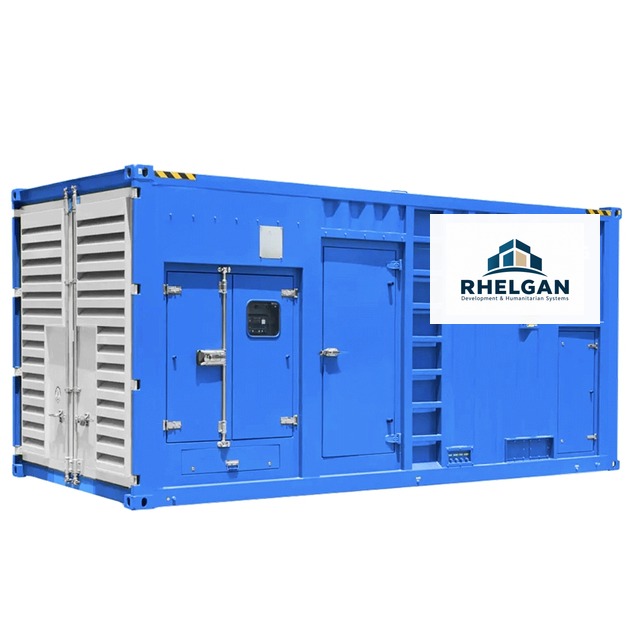
Containerised or silent plant selected to site layout
Parallel operation for redundancy or staged camp growth
Extended / external fuel systems for difficult logistics
Remote monitoring where site support is limited
Hybrid support where solar + battery can reduce generator runtime
Project inputs
What we need before the final configuration is locked.
Peak and average camp load
Accommodation count and service mix
Kitchen, laundry and HVAC demand
Water / wastewater process loads
Daily run hours and fuel delivery interval
Ambient temperature, altitude, dust and corrosion exposure
Project specification control
Remote camps often operate generators for long periods, so prime-duty rating, fuel consumption, service intervals, spares, filtration, heat rejection and operator capability can matter more than the headline standby kVA.
RHELGAN POWER class names are planning references. Final generator rating, engine, alternator, emissions, controller, ATS, enclosure, cooling, fuel arrangement, certifications and local electrical compliance are confirmed for the exact project and destination.
RHELGAN · POWER & ENERGY SYSTEMS