What is Montara Expandable Building Systems?
MONTARA expandable-home pathways are split between FLEX 20 / 30 / 40 for transport-efficient mainstream projects and RESIDENCE for higher-performance…
 Request Project Pricing
MONTARA Expandable Home Systems · FLEX + RESIDENCE
MONTARA is organised around two distinct expandable modular-building and home pathways for international projects. FLEX covers transport-efficient 20FT, 30FT and 40FT formats for housing, accommodation, workspaces and multi-use project buildings. RESIDENCE is the higher-performance pathway for more permanent residential, resort and development applications where envelope performance, comfort and documented engineering carry greater weight. MONTARA is not currently offered in New Zealand.
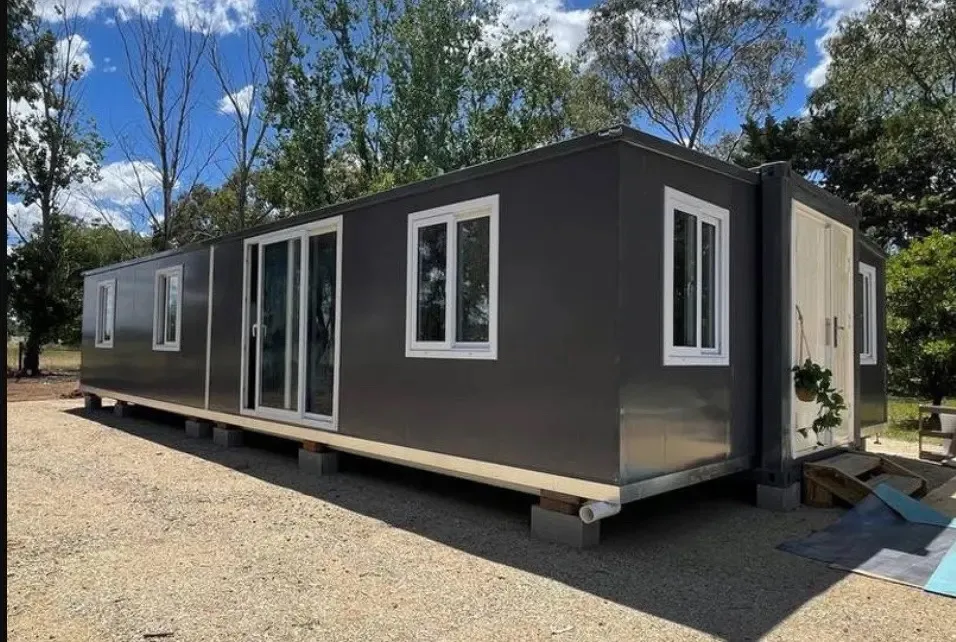 Apollo design visual for the current MONTARA FLEX direction; final manufactured configuration is confirmed for the selected project.
Direct project answers
MONTARA expandable-home pathways are split between FLEX 20 / 30 / 40 for transport-efficient mainstream projects and RESIDENCE for higher-performance…
Typical project pathways include residential projects, commercial projects, hospitality projects, and international projects. Final suitability depends on the exact configuration, site conditions, operating requirements and destination.
Before specification or quotation, the project review should confirm: Verified product specifications or documented product facts; Clear applications, limitations and configuration boundaries; Project inputs required for manual quotation or technical review; Apollo supply-only scope and purchaser/local-project responsibilities. Claims are kept tied to the exact proposed system rather than transferred from a related product or reference configuration.
Apollo can supply suitable projects internationally where the product and destination pathway are current. Send the project location, intended use, dimensions or quantities, timing, relevant drawings or photographs, and any known performance, compliance or environmental requirements for review.
Choose the MONTARA pathway first
FLEX is the mainstream MONTARA platform for projects that prioritise transport efficiency, repeatable 20FT / 30FT / 40FT formats, configurable internal planning and faster deployment.
Compact mainstream pathway. Final bedroom count, weight, insulation, finishes and services are confirmed at project review.
Mid-size family and multi-room pathway. Final layout and exact production specification remain configuration-specific.
Largest standard FLEX envelope. Early road, turning and crane review is particularly important.
Product details
The FLEX figures below reflect the current reference platform for Apollo's mainstream expandable range. RESIDENCE uses current technical drawings and catalogue information as its planning basis while final engineering, warranty and certification documentation is completed. Exact dimensions, structure, finishes, services, engineering and certificates are reconfirmed for the selected configuration and destination before quotation.
MONTARA is an international supply range and is not currently offered in New Zealand. Published dimensions and performance figures are planning references for current platform configurations. Final dimensions, materials, loads, thermal values, wind/seismic performance, certificates, warranty and included equipment are confirmed against the exact quotation, approved manufacturing drawings and destination-specific engineering before supply.
Technical evidence status
Apollo separates current registered documents from reference-only material and from products where technical documents have not yet been centralised.
Plan · specify · compare
This owner page is supported by application, technical and project-planning pathways rather than duplicate keyword pages. Use them to confirm suitability, specification inputs and the information needed before quotation.
Specifier evidence checklist
Use this checklist to turn an early product choice into a project-ready brief. Only exact registered evidence should be relied on for specification, tender or order.
Confirm: Intended users / buyers: residential. Confirm the actual application, operating intensity and project outcome.
Boundary: A product-category match is not a final suitability confirmation.
Confirm: Confirm the actual site, exposure, climate, drainage and destination conditions.
Boundary: Environmental performance claims must match the exact selected system and current evidence.
Confirm: Confirm configuration: project-configured, together with dimensions, quantities, interfaces and required options.
Boundary: Do not infer available sizes, spans, loads or options from representative imagery.
Confirm: Confirm material, finish, corrosion, cleaning, maintenance and replacement requirements.
Boundary: Material suitability can change with exposure, assemblies and maintenance conditions.
Confirm: Request current configuration-specific technical information before specification, tender or order.
Boundary: CAD, shop drawings, structural calculations, certificates and testing are included only where they exist for the exact system and are expressly identified.
Confirm: Confirm destination, receiving point, unloading, local contractor, foundations / supports, services, installation responsibility and target programme.
Boundary: Freight, local works, engineering, commissioning and installation scope must be confirmed in the written quotation.
Apollo is supply-only unless the written project scope states otherwise. Local engineering, statutory approvals, site works and installation remain project-specific.
Confirmed before quotation is accepted
MONTARA does not rely on a generic catalogue specification. These items are checked and recorded for the selected FLEX or RESIDENCE configuration before the project moves into manufacture.
Where a performance figure, certificate or warranty is configuration-specific, the exact supporting document takes priority over generic website wording.
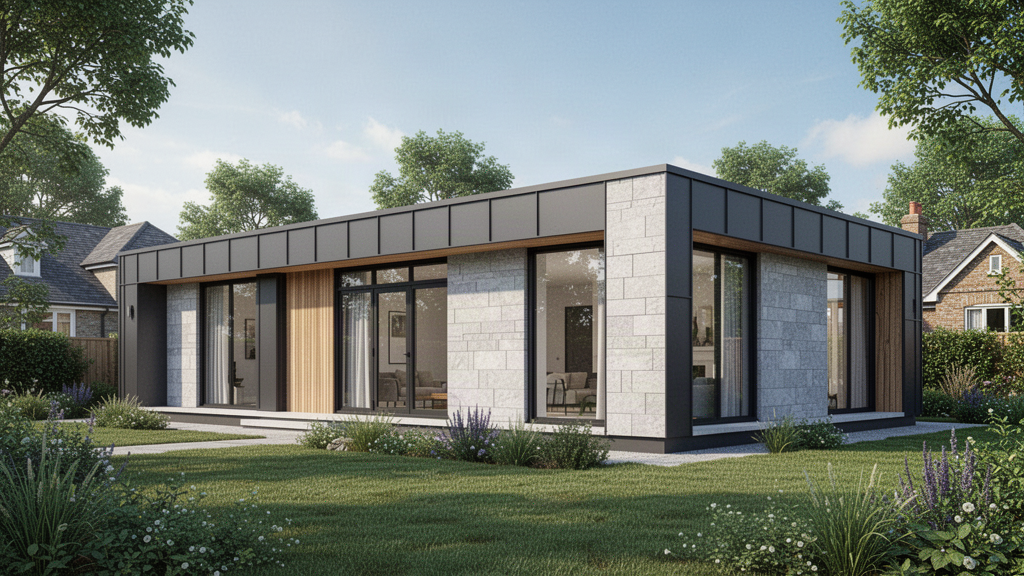
MONTARA RESIDENCE
RESIDENCE is now being developed from documented Mini, Classic and Mix platform references, including R20 and R30 construction pathways, Q355 galvanised framing, PU-insulated assemblies and more residentially focused layouts. Apollo supplies on a project-specific basis, with local engineering and installation arranged separately.
Applications + project fit
Use FLEX where the project needs a transport-efficient 20FT, 30FT or 40FT expandable building with adaptable internal planning and a straightforward deployment pathway.
Use RESIDENCE where permanent residential comfort, thermal performance, glazing, documented structure and a more architectural finish matter more than simply reaching the lowest unit cost.
A certificate, wind figure or material description only applies where it is supported for the exact configuration. The final project pack controls the claim used for the destination.
Bedrooms, kitchens, bathrooms, laundries and storage can be configured only within the structural, folding, drainage and services logic of the selected platform.
Salt, humidity, UV, heavy rain and high wind increase the importance of coatings, drainage, seals, fixings, anchoring and maintenance planning.
FLEX keeps transport width compact, but 30FT and 40FT models still need early review of road access, gates, turning space, bridge limits, crane position and final building orientation.
Kitchen, bathroom and laundry positions affect plumbing, electrical work, ventilation and final local connections. Freeze these areas before manufacturing drawings are approved.
Solar, batteries, water storage, rainwater, wastewater, communications and maintenance access can be coordinated around the selected building, subject to the project brief and local requirements.
Support points, anchoring, uplift, drainage and ground conditions need to be resolved for the actual site rather than copied from a generic foundation diagram.
Apollo supplies the agreed MONTARA building package and supporting project documentation. Local installation, services and approvals remain clearly separated unless specifically quoted.
MONTARA expandable-home pathways are split between FLEX 20 / 30 / 40 for transport-efficient mainstream projects and RESIDENCE for higher-performance residential applications. Final layout, structure, envelope, foundations, anchoring, services, delivery access, lifting, local engineering and approvals remain destination- and project-specific.
Residential · Developers · Resorts · Commercial
Project Configured
Coastal Review · Cyclone Review · Snow Review · High Heat Review
Australia · Middle East · USA · Pacific Islands · India
This snapshot summarises the current Apollo product record. Final configuration, interfaces, engineering, certification and destination requirements are confirmed against the project.
Project planning
Apollo's catalogue owner, project-brief pathway and core product record are complete enough to progress into project review and manual quotation. This is not a statement of engineering approval or destination compliance.
Apollo has an explicit regional priority map for this product. Regional mapping supports discovery and project review; it is not blanket compliance certification.
Configuration, technical evidence, interfaces, exposure or destination requirements need product-specific review before the final supply package is confirmed.
Final engineering, testing, approvals and destination requirements are confirmed for the actual project where applicable.
Connected project pathway
MONTARA FLEX 20, 30 and 40 transport-efficient expandable homes plus the higher-performance MONTARA RESIDENCE pathway for housing, accommodation, tourism and development projects.
Open pathway Planning guidesExpandable Building Project PlanningPlan intended use, foundations, services, climate, delivery, local responsibilities and staged growth before the building configuration is frozen.
Open pathway Global planningGlobal Project BuilderCapture destination, use, exposure, access, services and freight requirements in one project brief.
Open pathway TechnicalTechnical & Specifier CentreUse current product information, technical documentation and professional project resources.
Open pathway Project briefMONTARA Project BriefChoose FLEX or RESIDENCE and compile use, destination, site, climate, services, delivery and local project responsibilities for Apollo review.
Open pathwayReview this system against the actual island, coastal exposure, wind or cyclone criteria, freight route and local project responsibilities before the final configuration is selected.
No current public document is registered against this exact page yet. Tell Apollo what the project needs and the team can review the current product/configuration-specific information available.
Relevant project sectors
Relevant to resorts and accommodation project pathways in the live catalogue.
Open sector pathway Remote & Island ProjectsRemote, island and difficult-destination supply, freight, receiving and maintenance planning.Relevant modular building systems pathway within this sector's preferred Apollo divisions.
Open sector pathwayMarket Decision Centre
Market supply
Open the relevant market page for regional product information, project examples and supply enquiries.
Priority country projects
These pages target the actual destination, buyer type, climate, freight and project-brief questions behind commercial searches for this system.
Ready to review the project?