Apollo NZ GlobalRequest Project Review

Knowledge Centre · lifecycle guidance

Hurricane protection has to survive the years between hurricanes.

Salt, humidity, UV, wind-driven rain and repeated wetting can act on coastal systems every day. Material selection, fresh-water cleaning, track care, motor testing and pre-season inspection are part of long-term protection performance.

Salt + coating careTracks + motors + hardwarePre-season inspection
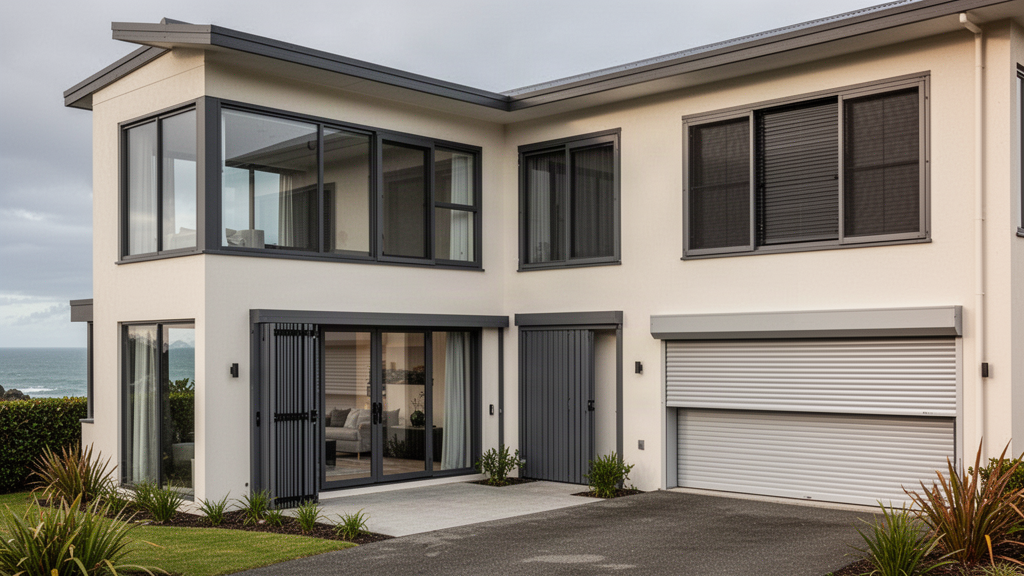
Coastal building representing salt exposure and maintenance of hurricane protection systems
The real coastal test is whether the system still closes, locks and operates years after installation.
Complete-Building ProtectionMap every vulnerable opening before choosing the product.
  • Windows
  • Doors
  • Sliding openings
  • Balconies
  • Garages
  • Shopfronts
  • Plant + service areas
01Project guidance

Aluminium is well suited to coastal work, but it is not maintenance-free.

Coating selection, damaged edges, fasteners, dissimilar-metal interfaces and regular removal of salt contamination all matter in aggressive marine environments.

02Project guidance

Keep moving systems moving.

Roll-down guides, accordion tracks, sliding-door tracks, locks and motors should be cleaned and operated periodically rather than left untouched until a storm warning is issued.

03Project guidance

Each product family has its own maintenance points.

Inspect roll-down curtains and guides, accordion joints and tracks, Bahama/Colonial hinges and supports, impact-window drainage and hardware, fabric anchors, and louvre mechanisms according to the system and manufacturer guidance.

04Project guidance

Use a pre-season cycle: CLEAN → OPERATE → TEST → INSPECT → REPAIR.

Identify problems before severe weather develops. After a significant storm, inspect for impact damage, loose tracks or fixings, broken glazing, electrical faults and water ingress before relying on the system again.

Plan · compare · specify

Use the wider Apollo protection pathway.

Technical claim control

Performance follows the exact system and project.

Opening size, positive and negative design pressures, impact requirements, tracks or frames, anchors and structural substrate all affect final performance. Apollo ties numerical wind, impact and certification claims to the applicable tested or engineered configuration rather than applying one blanket rating to an entire product family.

Testing, standards & specification

Apollo NZ Global · International project supply

Start with the building. We’ll help map the protection system around it.

Send the project location, drawings or photos, opening dimensions and any known wind or impact requirements.

Request a Project Review Upload Plans

Supply-only project model. Final structural design, fixings, installation, local approvals and code compliance remain project-specific unless expressly included in the quoted supply scope.