New Zealand
Takapō, Aotea, Wairarapa and other recognised dark-sky places.
 All dark-sky destinations
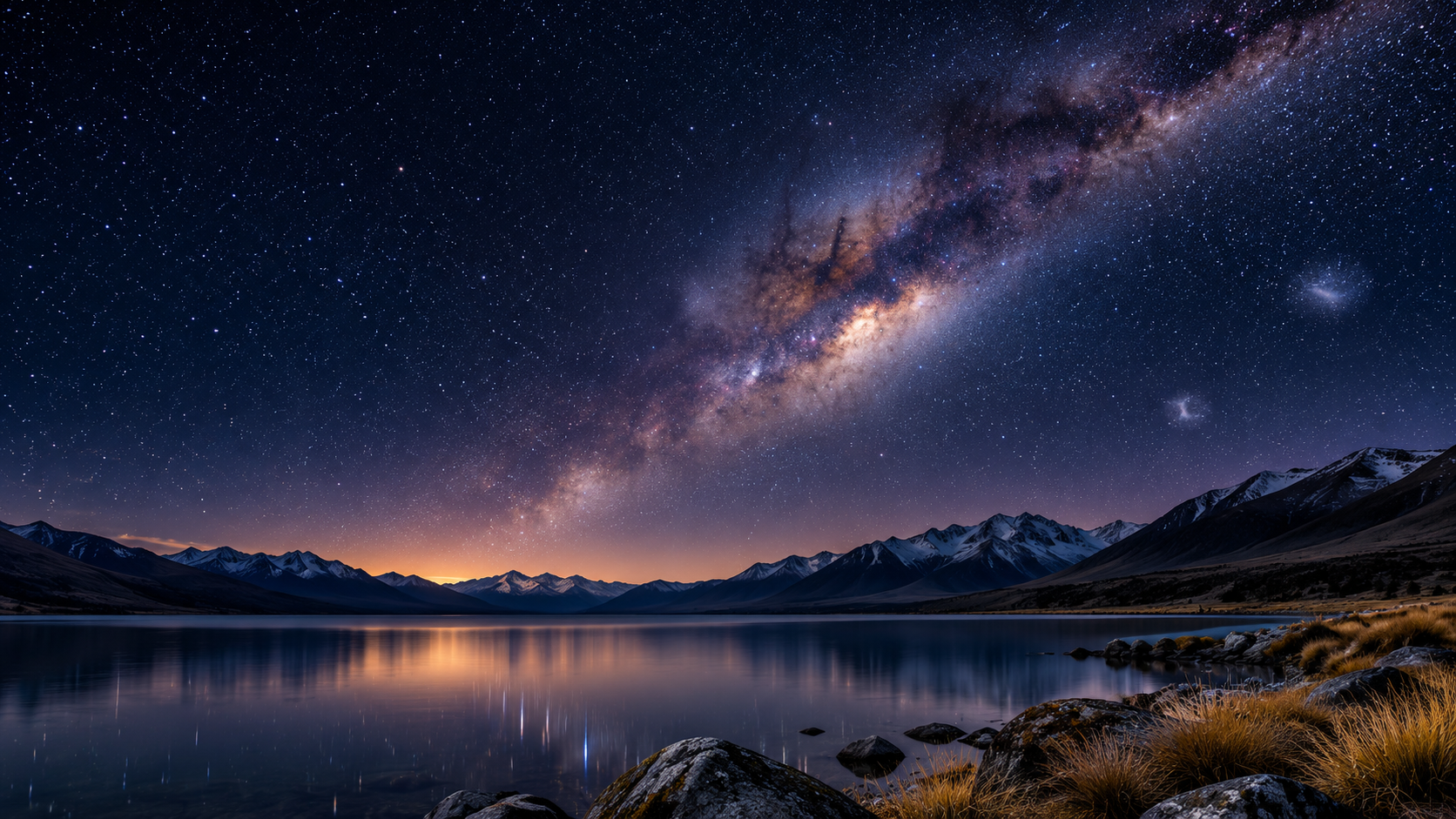
A worldwide guide to stargazing destinations, officially recognised dark-sky places and thoughtful astronomy travel—from mountains and national parks to deserts and island sanctuaries.
There is no single best stargazing place for every person. A suitable destination depends on the sky you want to observe, time of year, travel distance, weather, equipment, local access and whether you want a guided astronomy programme. The places below are independently sourced examples, not a ranking of darkness.
DarkSky International recognises conservation and lighting commitments across parks, reserves, sanctuaries and communities. Designation does not guarantee public entry, observatory tours or a cloud-free sky.
Read the full official DarkSky directoryThese guides explain different visitor settings and link to local official records. They are designed to help you research rather than act as booking services.
Takapō, Aotea, Wairarapa and other recognised dark-sky places.
Explore Warrumbungle Dark Sky Park and independent astronomy visitor planning.
Compare Grand Canyon National Park with Flagstaff's protected urban skies.
Northumberland and Kielder's dark-sky park alongside France's Pic du Midi reserve.
Selected recognised destinations outside New Zealand, with direct links to their official designation records. This is not an exhaustive list of the world's certified locations.
Australia's first International Dark Sky Park, known for its volcanic landforms and connections with the Coonabarabran astronomy region.
What to explore: Discover NSW park stargazing information, camping and observatory opportunities via park and visitor services.
A Pacific island recognised in both Dark Sky Community and Dark Sky Sanctuary categories, with widespread commitment to protecting its night skies.
What to explore: Combine island travel with an interest in southern celestial skies, local culture and low-impact nighttime activities.
A large private conservation reserve in Namibia's desert landscape, celebrated for exceptionally dark nights and wildlife protection.
What to explore: Explore astronomy-oriented desert stays and protected landscapes through authorised reserve accommodation or tour providers.
A mountain dark-sky reserve in the French Pyrenees, connected with a famous high-altitude observatory and planetarium.
What to explore: Explore the summit observatory and planetarium visitor programme using official venue information.
An extensive English dark-sky park joining Northumberland National Park with Kielder Water & Forest Park.
What to explore: Research visitor astronomy programmes and observatory events in the wider Kielder landscape.
The pioneering International Dark Sky Community, recognised in 2001 for leading urban lighting efforts to protect night skies.
What to explore: Discover a mountain city whose public lighting choices are closely tied to astronomy and night-sky stewardship.
A major US national park with internationally recognised dark-sky conservation efforts and astronomy programming.
What to explore: Look into park ranger night-sky programmes and visitor information for approved observation areas.
A Chilean Andean foothill community recognised for protecting the night sky in the Coquimbo region.
What to explore: Explore the rural landscapes and astronomy heritage of northern Chile through local destination resources.
Destination recognition is not proof of on-site visitor facilities or guaranteed viewing conditions. Check the relevant park or authority before travelling.
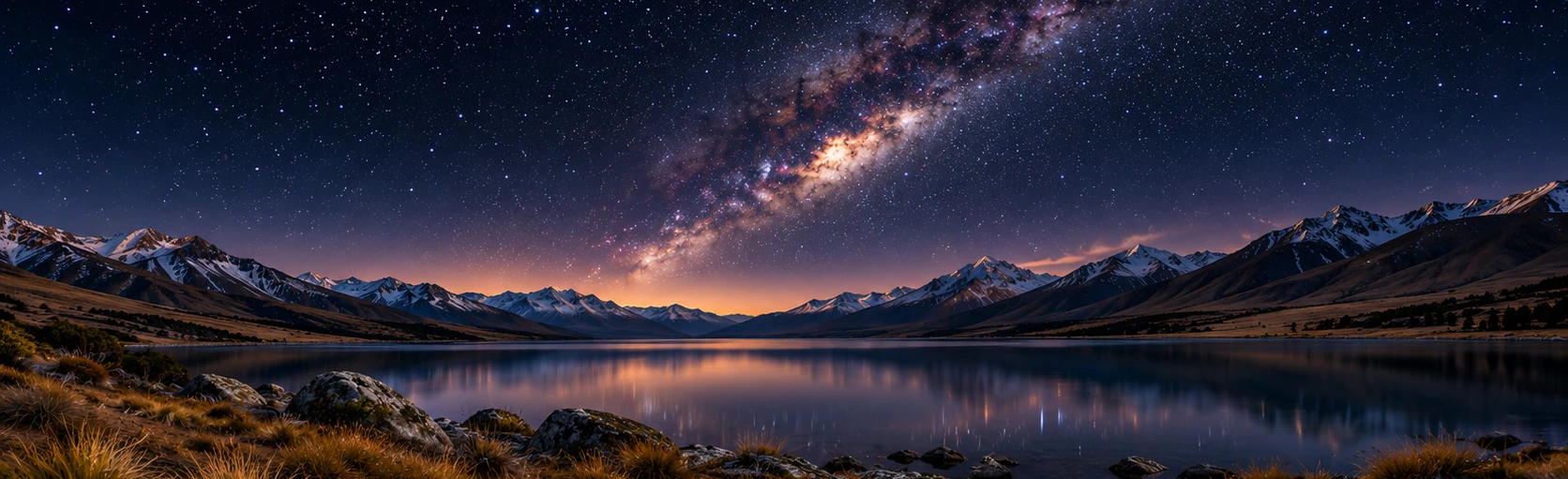
Mountain viewing can combine a telescope or planetarium programme with a dramatic setting, but transport, altitude, operating dates and weather matter.
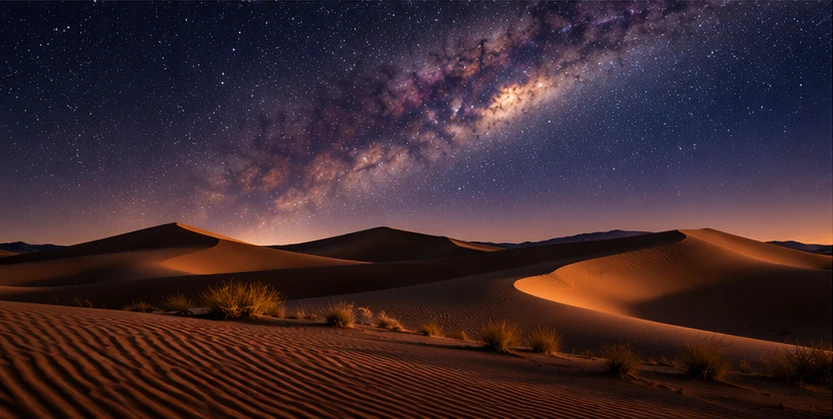
Check the distinction between a national park and private nature reserve. Darkness does not give you unrestricted access, and remote travel needs careful preparation.
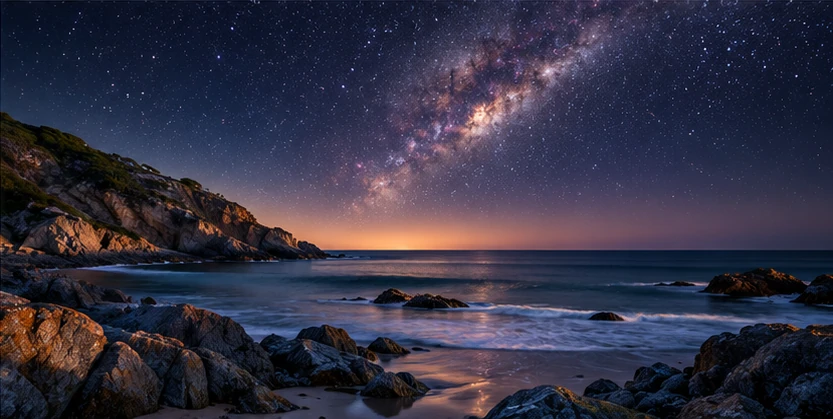
Island recognition can protect night habitat and encourage sky learning. Use local customs, transport guidance and only approved viewing locations.
Decide whether you want casual naked-eye stargazing, Milky Way photography, a guided observatory event or educational astronomy programmes.
Read the DarkSky International place record. Park, reserve, sanctuary and community classifications address different conservation and lighting settings.
Consult Moon rise and set times, sky charts appropriate to the hemisphere, astronomical darkness, cloud forecasts and the season for the objects you want to see.
Use official park, visitor or observatory websites for permissions, opening arrangements, fees and events. Plan rural transport and respect wildlife and neighbouring communities.
Discover original education resources covering night-sky conservation, Southern Hemisphere observation and accessible sky learning.
ASTRAVYR offers international wholesale supply pathways for observatory domes, professional telescope systems, planetariums and astronomy park equipment. We do not run stargazing tours or issue dark-sky certification.
Good places to research include officially recognised areas such as Warrumbungle in Australia, Grand Canyon National Park in the USA, Pic du Midi in France, Northumberland and Kielder in England, NamibRand in Namibia and Niue. These are curated examples rather than a ranking of darkness or a complete international inventory.
Parks are protected areas with lighting and astronomy outreach programmes; Reserves include a dark core and managed surrounding landscape; Sanctuaries are often remote and environmentally sensitive; Communities focus on responsible lighting and education in towns or settlements. Official programmes have more detailed eligibility rules.
No. ASTRAVYR provides independent destination information and international astronomy equipment supply. Local operators, parks and visitor authorities manage tours, access and prices.
No. Some areas are private, remote, restricted, environmentally fragile or governed by separate ticketing and park rules. Confirm permissions with the responsible authority before visiting.
Clear skies, a low Moon and genuine darkness improve faint-star visibility. The Milky Way's position and bright central region vary by latitude, season and time of night; use a specific local sky chart before travelling.