Canterbury · New ZealandReserve
Aoraki Mackenzie
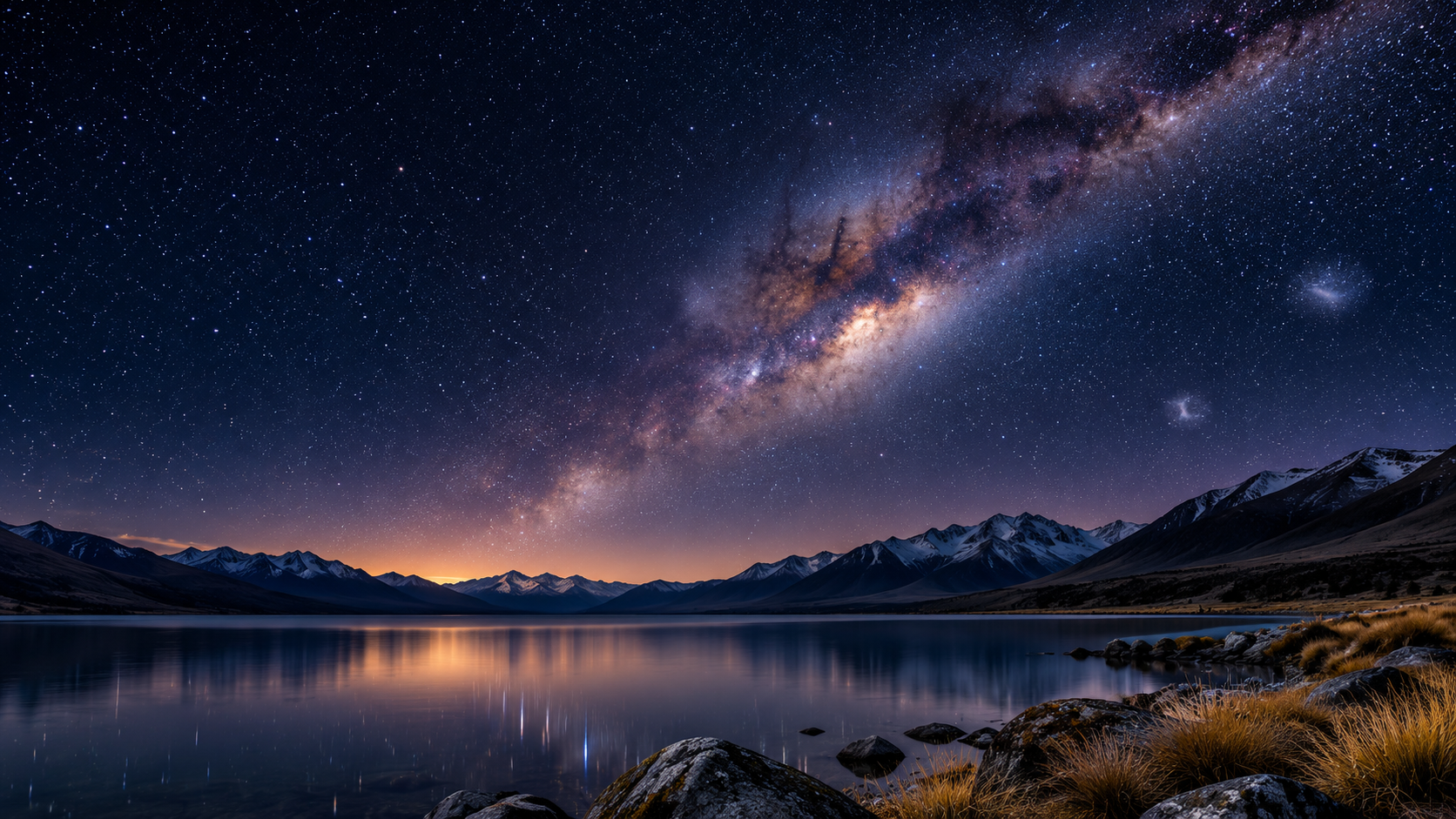
A vast South Island landscape of alpine peaks, lakes and carefully managed night lighting, with Takapō / Lake Tekapo a practical visitor gateway.
 ASTRAVYR systems
ASTRAVYR / DARK SKY DESTINATIONS
Explore remarkable dark-sky destinations around the world. Discover officially recognised nightscapes, visitor information and astronomy experiences through trusted local and conservation sources.
ASTRONOMY EXPERIENCES / TRAVEL & CONSERVATION
Whether you are planning a stargazing holiday, photographing the Milky Way or exploring night-sky conservation, begin with places recognised by DarkSky International. Certification describes protection of darkness, not guaranteed visibility, entry or commercial tours.
Explore our worldwide dark sky places and international stargazing guide.
Looking for dark skies in New Zealand? Explore our NZ stargazing and destination guide.
Fiordland National Park was certified as an International Dark Sky Park in November 2026, becoming New Zealand's 13th International Dark Sky Place. Its outstanding natural landscape now has internationally recognised night-sky protection.
DISCOVER PLACES / CURATED INTERNATIONAL DIRECTORY
Browse selected parks, reserves, sanctuaries and communities. Follow each official record for certification information, or use the visitor link where available.
19 destinations shown
A vast South Island landscape of alpine peaks, lakes and carefully managed night lighting, with Takapō / Lake Tekapo a practical visitor gateway.
An island sanctuary in the Hauraki Gulf where low artificial lighting helps protect an unusually dark night environment.
A remote southern island sanctuary where unspoiled nightscapes are part of the wider conservation experience.
A Tasman recreation reserve showing how public parks, community astronomy and careful lighting can coexist.
A North Island reserve combining a protected dark core in Aorangi Forest Park with nearby communities working to reduce light pollution.
An International Dark Sky Park in the North Canterbury foothills, connecting a conservation landscape with night-sky protection.
A dark-sky park in the Gibbston Valley near Queenstown, where rural lighting management supports the nighttime landscape.
A sanctuary associated with conservation land near Kaikōura and efforts to reduce artificial light impacts on seabirds.
A remote alpine sanctuary at the head of Lake Whakatipu, with dark-sky conservation linked to wilderness landscapes.
A historic Central Otago township recognised for its community commitment to protecting the natural night sky.
New Zealand's 13th International Dark Sky Place, recognised in November 2026, protects the night over a large South Island national park of fiords, forests and mountains.
Australia's first International Dark Sky Park, known for its volcanic landforms and connections with the Coonabarabran astronomy region.
A Pacific island recognised in both Dark Sky Community and Dark Sky Sanctuary categories, with widespread commitment to protecting its night skies.
A large private conservation reserve in Namibia's desert landscape, celebrated for exceptionally dark nights and wildlife protection.
A mountain dark-sky reserve in the French Pyrenees, connected with a famous high-altitude observatory and planetarium.
An extensive English dark-sky park joining Northumberland National Park with Kielder Water & Forest Park.
The pioneering International Dark Sky Community, recognised in 2001 for leading urban lighting efforts to protect night skies.
A major US national park with internationally recognised dark-sky conservation efforts and astronomy programming.
A Chilean Andean foothill community recognised for protecting the night sky in the Coquimbo region.
Destination descriptions and designation links are sourced from official DarkSky International place records. Visitor access, opening hours, local rules and weather can change. This is a curated guide, not an exhaustive inventory or a live booking service.
PLAN YOUR STARGAZING NIGHT
Choose a date to see an estimated Moon phase and how much of its disk is lit. The less moonlight, the easier it can be to see faint stars on a clear, dark night.
You may still enjoy bright stars, planets and the Moon. For faint galaxies and the Milky Way, consider nights nearer new Moon.
Approximate date from the lunar cycle; check official ephemerides for precise times and your local observing conditions.
Lower percentages indicate less illuminated Moon, not a forecast of cloud or sky quality.
Planning estimate only. Based on an approximately 29.53-day lunar cycle anchored to a published new-Moon time. This tool does not calculate local Moon rise or set, exact phase timings, cloud cover, light pollution or guaranteed visibility.
THREE NIGHT-SKY LANDSCAPES
Explore the range of environments where careful lighting and conservation make the night sky part of the experience.
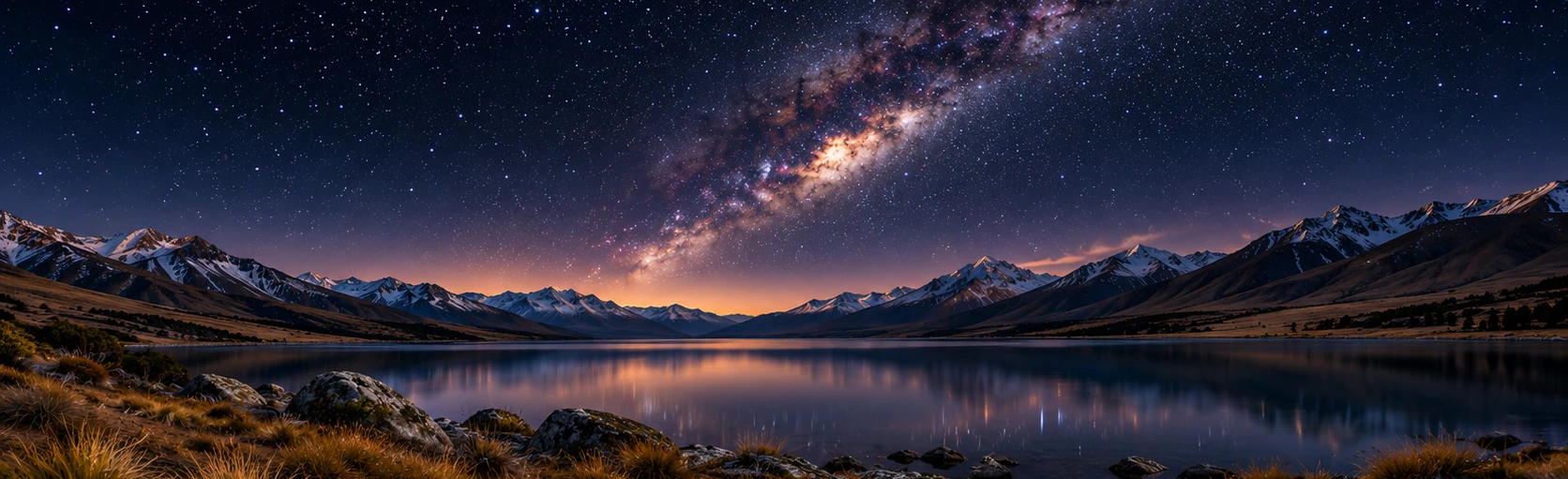
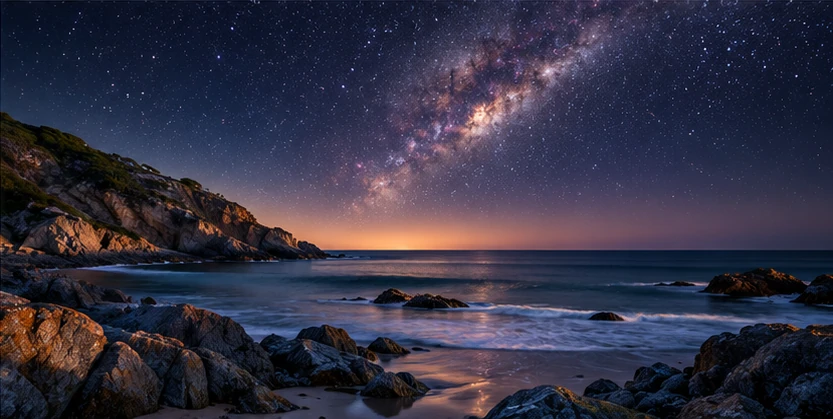
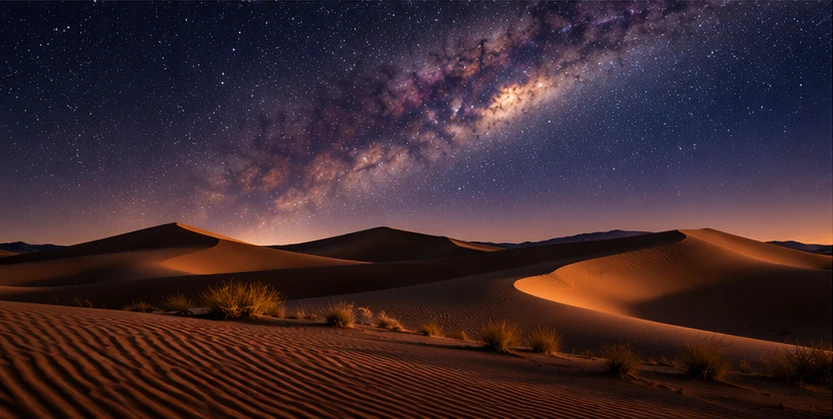
Wide horizons and protected desert conservation land.
Explore the official recordOBSERVATORIES & VISITOR EXPERIENCES
Find independent observatory experiences and official visitor resources. Bookings, availability and prices are managed directly by the linked operators or park authorities—not by ASTRAVYR.
Discover official Tekapo / Takapō stargazing and observatory experiences, including Mt John programmes.
Independent Aotea stargazing experiences and operator booking information.
Independent Wairarapa observatory experiences, events and current session information.
Independent observatory programme with ticketed astronomy and stargazing sessions.
PLAN A RESPONSIBLE NIGHT UNDER THE STARS
A clear, moonless or low-Moon night can improve your view of faint stars and the Milky Way.
A certified sanctuary may protect remote land or wildlife habitat; always check access with the owner or local authority.
Check cloud cover, temperature, wind, roads and safe return travel before heading out after dark.
Use shielded, low-level warm lighting where needed and leave habitats, wildlife and other visitors undisturbed.
PLANNING A DARK-SKY VISIT
Practical guidance to help choose a destination and enjoy the night responsibly.
It recognises places protecting their night skies through lighting policies, conservation and public education. A designation is not a guarantee of cloud-free or Moon-free skies.
Not always. Protected sanctuaries may include private, environmentally sensitive or restricted areas. Follow the official place record and confirm visitor access with local authorities or operators.
A clear night near new Moon usually gives better visibility of faint stars. The Milky Way's best viewing season and position vary by hemisphere, latitude and time of night.
No. Many stars, constellations and the Milky Way can be enjoyed with the unaided eye under suitable conditions. Binoculars may help with selected targets.
ASTRAVYR is a destination information and astronomical equipment resource, not a tour-booking agency. Use linked official visitor and local operator websites to check current tours, prices and availability.
ASTRAVYR SPACE ACADEMY
Continue to our separate New Zealand Dark Sky Atlas for verified education place studies, conservation guidance and free classroom investigation resources.
Explore the Space Academy atlasASTRAVYR provides international supply for observatory domes, telescope systems, planetarium facilities and coordinated astronomy destinations. Build a project equipment brief for your resort, school, research campus or visitor facility.