
Apollo NZ Global
ASTRAVYR Systems
ASTRAVYR Celestial Meridian approved emblem and wordmarkSPACE ACADEMYSPACE · ASTRONOMY · DISCOVERY

THE UNIVERSE IS YOUR CLASSROOM

New Zealand Dark Sky Atlas and classroom resources

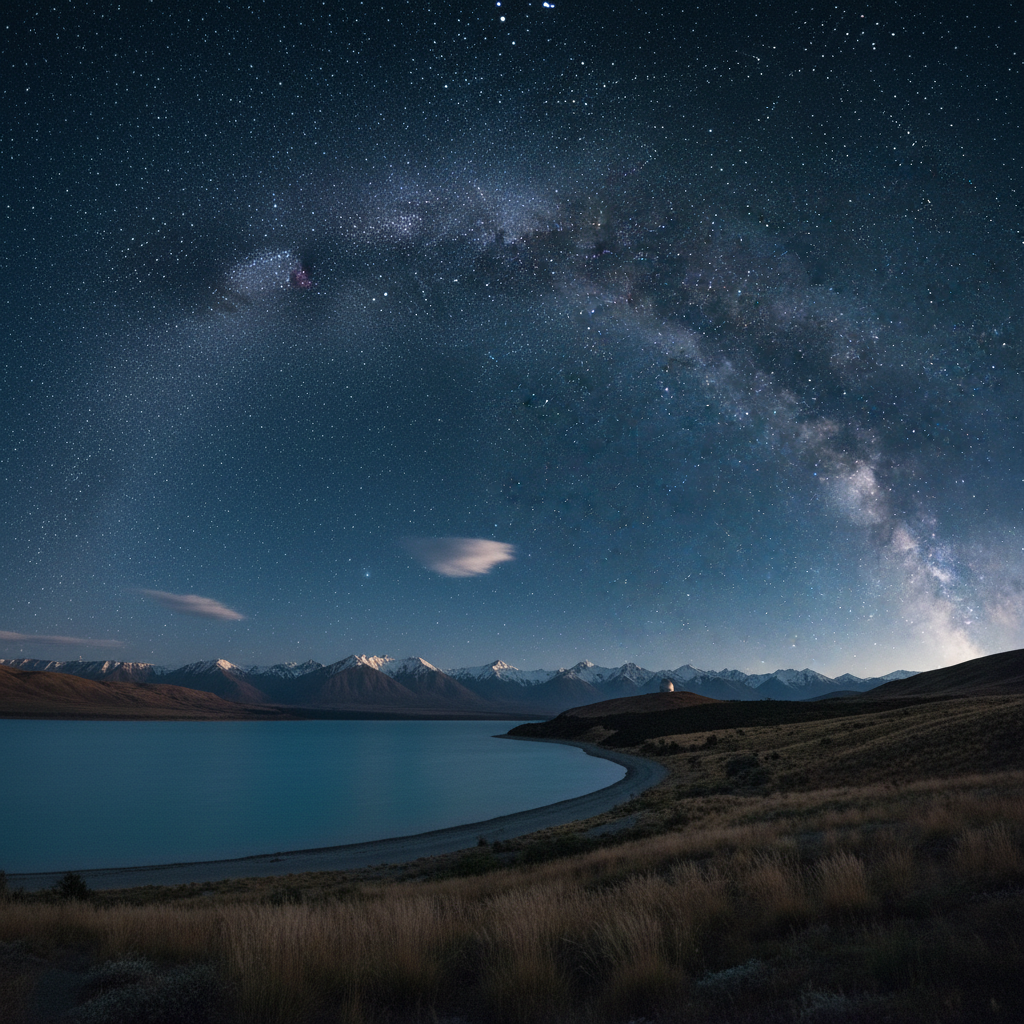
Original Aotearoa night sky landscape visual study

ASTRAVYR SPACE ACADEMY / AOTEAROA NEW ZEALAND

Dark Sky Atlas.

Explore officially recognised places, understand what makes each designation different, and turn conservation ideas into practical learning.

10 VERIFIED PLACE STUDIES4 DESIGNATION TYPES2012–2025 APPROVAL YEARS COVERED

01 / AOTEAROA'S RECOGNISED NIGHTSCAPES

Where darkness
has a future.

Explore a source-backed selection of International Dark Sky Places. This is an educational atlas—not a comprehensive inventory, live weather service, public-access guarantee or navigation map.

Explore by designation
Certified place studies10 displayed

FEATURED PLACE / OFFICIAL DARKSKY INTERNATIONAL RECOGNITION

RESERVE · 2012

Aoraki Mackenzie

Mackenzie Basin and Aoraki / Mount Cook National Park · Canterbury

Light management and astronomy

A reserve is a landscape-scale approach connecting a dark core with the surrounding community. Aoraki Mackenzie became an International Dark Sky Reserve in 2012.

LEARNING PROMPT

How can regional outdoor lighting rules help an observatory?

Read the official place record
Recognition timeline / selected place studies

Recognition years show when places received their listed designations—not a ranking of sky darkness or suitability for visits.

02 / UNDERSTANDING DARK SKY DESIGNATIONS

Different ways to
protect the night.

These categories describe different stewardship settings. They do not rank places by brightness or provide individual project planning permission.

RESERVE

How can a dark central area and nearby settlements protect the same night landscape?

A landscape-scale place where a dark core and surrounding populated areas work together on long-term protection.

2 place studies in this atlas
SANCTUARY

How do we protect exceptionally dark, fragile or remote night environments?

A designation highlighting exceptional darkness or an important night environment, often relatively remote or vulnerable.

4 place studies in this atlas
PARK

How can a managed outdoor area support dark-sky conservation and public learning?

A managed natural or recreational area protecting night skies, often with education and public access.

3 place studies in this atlas
COMMUNITY

What changes when a town commits to managing outdoor lighting?

A settlement demonstrating public lighting stewardship, community involvement and policies to protect the night.

1 place studies in this atlas

03 / PRACTICAL NIGHT CONSERVATION

Five principles of
responsible light.

Explore the principles published by DarkSky International and the Illuminating Engineering Society. This classroom guide summarises them; it does not certify a lighting design.

01 / 05

Useful

Does the light have a clear purpose?

Less suitable

Decorative lighting that is never needed

More responsible approach

Only provide light where an actual task or safety need exists

Read the complete official principles

04 / EDUCATOR RESOURCE STUDIO

Turn discovery
into enquiry.

Prepare a ready-to-print student investigation around a recognised place. The generated resource contains prompts rather than fabricated observations.

STUDENT INVESTIGATION

Educator handbook includes three teaching sessions, a four-criterion assessment rubric, an inclusive alternative to night-time observation and links to NZ science and regional knowledge resources. Align locally before classroom use.

ASTRAVYR CLASSROOM BRIEF
ASTRAVYR SPACE ACADEMY — AOTEAROA DARK SKY INVESTIGATION
STUDENT WORKSHEET · FREE LEARNING · NOT AN ACCREDITED QUALIFICATION
Suggested learning level: secondary (teacher adapts)

PLACE STUDY: Aoraki Mackenzie
Official recognition: Reserve · 2012
Setting: Mackenzie Basin and Aoraki / Mount Cook National Park / Canterbury
Official source: https://darksky.org/places/aoraki-mackenzie-dark-sky-reserve/0/

RESEARCH QUESTION
How can regional outdoor lighting rules help an observatory?

YOUR INVESTIGATION
Investigate why reducing inappropriate outdoor light may benefit nocturnal organisms and the quality of the night.

1. Before you start: write one prediction and why it might be true.
2. Evidence: what observations, reliable sources or measurements could test it?
3. Site safety: obtain appropriate permission and adult guidance, review the weather, never trespass.
4. Never aim binoculars or a telescope at the Sun without purpose-built specialist solar equipment and expert supervision.
5. Record at least two observations or verified source findings. Do not invent results.
6. Compare your findings with the prediction. What remains unknown?
7. Suggest a practical action or a next question.
8. Cite sources, including the official DarkSky International page above.

REFLECTION
What is the difference between a certified dark-sky place and a location that simply looks dark?
How might wildlife, people and astronomy benefit from better night lighting?

CULTURAL CONTEXT
Te Papa documents regional differences in Matariki and Puanga. Consult relevant iwi/hapū knowledge holders and authoritative teaching resources rather than treating one account as universal.
Te Papa source: https://www.tepapa.govt.nz/digital-museum/explore-digital-museum/matariki-maori-new-year/matariki-regional-variations

TEACHER NOTES
Suggested assessment: accurate source, specific research question, safe method, evidence versus prediction, reflection and acknowledgement of limitations.
Do not mark a sample result as observed data. Do not present this worksheet as current field conditions, site access permission or a recognised qualification.
ASTRAVYR is an Apollo NZ Global specialist brand. Free educational content; no product purchase required.
No names, accounts or pupil records are collected. A teacher should adapt learning and safety requirements for the age group.

Sources: DarkSky International official place pages and lighting principles, supported by Te Papa educational guidance for regional Matariki and Puanga variation. ASTRAVYR is not affiliated with the site owners or certifying bodies. Place locations are descriptions for learning, not route directions; verify access and safety directly before any visit.

ASTRAVYR SPACE ACADEMY
Project