
Apollo NZ Global
Get a QuoteMy Project
International stargazing guide
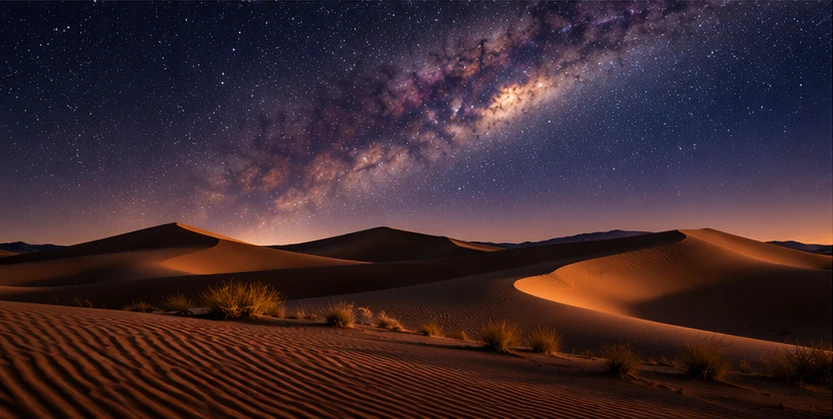
Illustrative star-filled night sky; not a photograph of a featured destination
ASTRAVYR / AUSTRALIA / SOUTHERN HEMISPHERE NIGHT SKIES

Explore Australia's dark skies and stargazing places.

Plan an Australian night-sky escape with a grounded starting point at Warrumbungle National Park, responsible viewing advice and links to official park information.

NIGHT SKY TRAVEL / INDEPENDENT RESOURCE

Stargazing in Australia: choose the place and the conditions.

Australia's wide rural landscapes attract visitors interested in the Southern Hemisphere sky. But darkness, visitor infrastructure and permission to observe are separate questions. Begin with the official DarkSky International record for an identified protected place, then check the park or local tourism authority before travelling.

Warrumbungle Dark Sky Park in New South Wales is the destination documented in this ASTRAVYR guide. It is not presented as a complete list of Australian stargazing locations. For additional current certifications, consult DarkSky International's full directory rather than relying on an invented national ranking.

Near-new-Moon evenings with a cloud-free forecast often suit fainter stars and Milky Way photography. The time of year affects which part of the Milky Way is visible, and the best night also depends on how late you can safely stay at a permitted observing location.

Official worldwide DarkSky directory
PLAN AN INFORMED STARGAZING VISIT

What matters before you travel?

01

Decide between a park visit and an observatory experience

A national park's dark-sky status is not an admission ticket or a booked telescope session. Choose an approved public viewing site for independent observing, or contact an observatory operator for scheduled programmes.

02

Plan the drive back

Remote NSW roads may be unlit and wildlife can be active after sunset. Check access rules, road conditions and a safe return plan, and avoid stopping on road shoulders for photographs.

03

Match your visit to the sky

Use a date-and-location-specific sky chart alongside Moon phase, cloud forecast and local sunrise and sunset times. Seasonal change means no single month is universally best for all observations.

04

Protect the park after dark

Use only essential low-level light, minimise noise, stay on approved routes and follow local fire, wildlife and overnight-access rules.

Explore the Moon planner and night-sky checklist
EXPLORE THE SKY WITH ASTRAVYR

Learn the astronomy behind the journey.

Discover Southern and Northern Hemisphere observation concepts, light pollution, the Moon and other sky phenomena with ASTRAVYR's Space Academy educational resources.

ASTRAVYR / SPACE & OBSERVATORY SYSTEMS

Developing an astronomy destination or observatory?

ASTRAVYR supplies astronomy parks, observatory domes, telescope systems and planetarium equipment for eligible international projects. We are not a tour-booking agent or dark-sky certifying body.

STARGAZING QUESTIONS

Australia Dark Sky Places: practical answers.

Where is an officially recognised dark sky park in Australia?

Warrumbungle Dark Sky Park in New South Wales is one recognised example. This guide covers that documented destination, not an exhaustive national list; use the official DarkSky directory to explore others.

Is Warrumbungle suitable for beginners?

It is a useful place to research for a first dark-sky trip, provided you plan visitor access, check local facilities and choose a safe, permitted observing location. Formal astronomy sessions must be booked independently.

When should I go stargazing in Australia?

A clear evening with little moonlight is a good starting point for faint stars. The season, latitude, viewing time, weather and target object still matter; check a current local sky chart before choosing dates.

Project