
Apollo NZ Global
Get a QuoteMy Project
Worldwide dark-sky places
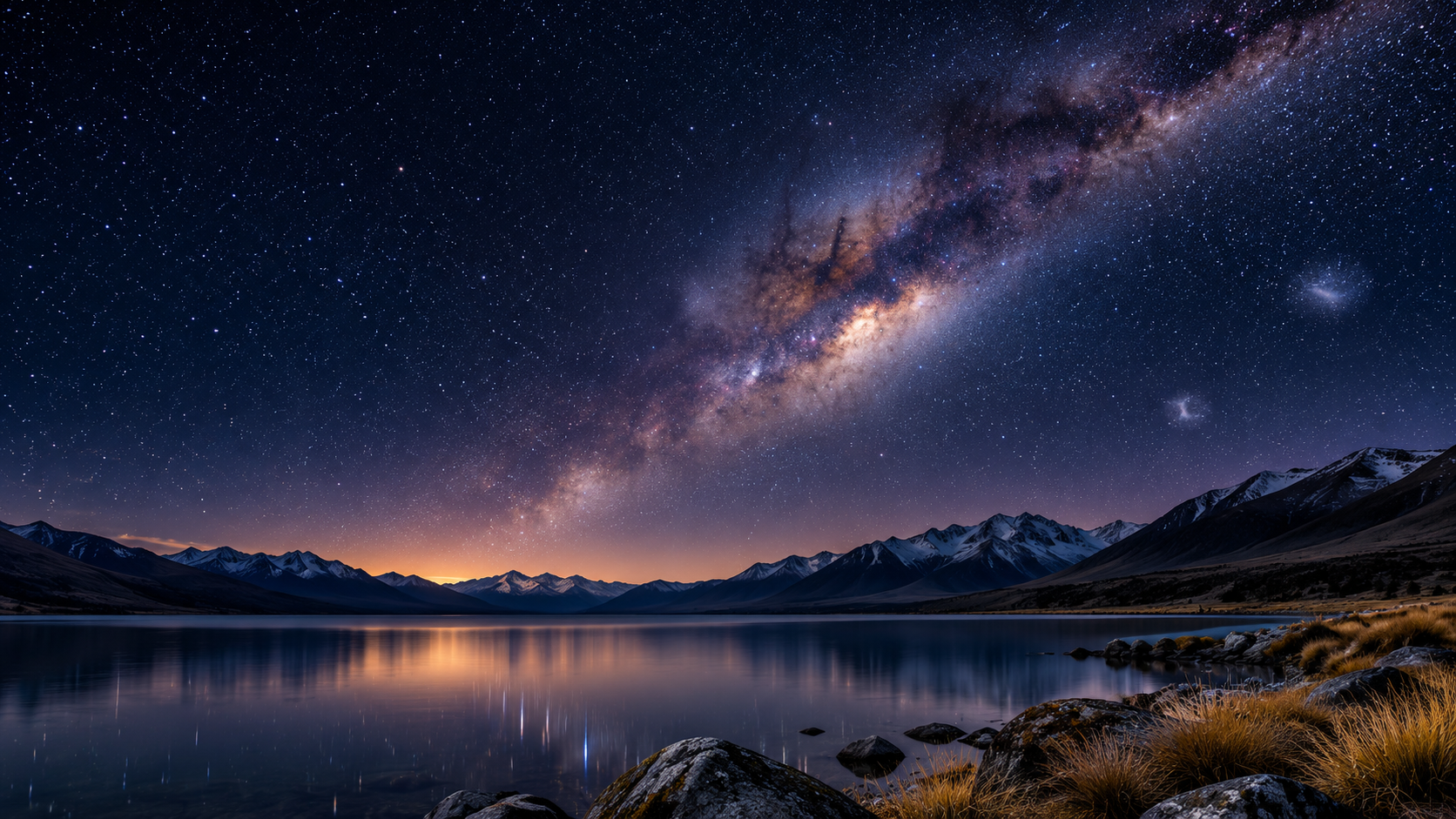
Original illustration of a star-filled night sky above a mountain lake

ASTRAVYR / NEW ZEALAND DARK SKY GUIDE

New Zealand dark sky places and where to stargaze.

From Takapō / Lake Tekapo to Wairarapa, Aotea and Rakiura: explore officially recognised night-sky landscapes, practical stargazing ideas and trustworthy visitor information.

A GUIDE FOR NIGHT-SKY EXPLORERS

Where should you go for dark skies in New Zealand?

New Zealand has internationally recognised dark-sky reserves, sanctuaries, parks and communities. Each has a different landscape and different rules for visiting. This selection is a practical starting point—not a brightness ranking, a promise of a clear night or a complete national inventory.

Choose the experience you want, then confirm public access, current conditions, dates and any required bookings with the official operator or responsible authority.

RECOGNISED DESTINATIONS / AOTEAROA

Seven places to begin your stargazing research.

Explore the individual ASTRAVYR destination guides, then use their verified official records and local visitor links for the latest details.

01 / Canterbury

Aoraki Mackenzie

Reserve · New Zealand

A classic South Island starting point. Takapō / Lake Tekapo has established astronomy experiences, while the reserve also protects a much wider landscape.

Good starting point for: First-time astronomy visitors and alpine night-sky trips

02 / Wellington / Wairarapa

Wairarapa Dark Sky Reserve

Reserve · New Zealand

A North Island region linking community light management with the Aorangi Forest Park dark core. Check locally operated sessions rather than assuming reserve-wide access.

Good starting point for: North Island stargazing holidays

03 / Auckland

Aotea / Great Barrier Island

Sanctuary · New Zealand

An island dark-sky sanctuary with a distinctive low-light setting. Transport, accommodation and permission for any viewing location need planning.

Good starting point for: Island night-sky getaways

04 / Southland

Rakiura / Stewart Island

Sanctuary · New Zealand

A remote southern sanctuary where dark skies sit alongside wildlife conservation. Prepare for changeable weather and limited transport.

Good starting point for: Southern skies and nature-focused travel

05 / Tasman

Wai-Iti

Park · New Zealand

A community-connected dark-sky park near Nelson, useful for exploring the relationship between public places, astronomy and outdoor lighting.

Good starting point for: Nelson–Tasman night-sky discovery

06 / Canterbury

Kaikōura

Sanctuary · New Zealand

A sanctuary with a strong connection to coastal wildlife protection. Check which viewing areas are public and appropriate before visiting.

Good starting point for: Conservation-led stargazing interest

07 / Southland

Fiordland National Park

Park · New Zealand

A newly recognised International Dark Sky Park. Its remoteness makes local access advice, weather and safety especially important.

Good starting point for: Southland and Fiordland sky exploration

This is a selected set of officially recognised places, not a promise of visitor access. For additional New Zealand locations and international destinations, use the complete ASTRAVYR directory or the official DarkSky International listing.

WHEN & HOW TO SEE THE STARS

Five steps for a better dark-sky night.

Great stargazing is about more than finding a dark place. The Moon, weather, seasons, local access and conservation all matter.

01

Pick a place with verified recognition

Start with an official International Dark Sky Place record. A designation confirms conservation and lighting commitments, not guaranteed public access or an observable sky every night.

02

Choose a sensible Moon window

Fainter stars and the Milky Way are generally easier to see around new Moon, under a clear sky. Check local Moon rise and set times as well as lunar phase.

03

Check cloud, season and the horizon

Cloud, weather, latitude, time of night and season all affect what you can see. Southern Hemisphere constellations and the Galactic Centre change position throughout the year.

04

Book through the actual operator

Look up the destination's official visitor information and book any guided experience directly. ASTRAVYR does not operate tours or certify dark-sky locations.

05

Leave the darkness undisturbed

Use the minimum safe, shielded light, respect wildlife, keep to permitted areas and follow local cultural and conservation guidance.

See the Moon planner and complete stargazing checklist
KEEP EXPLORING WITH ASTRAVYR

From a night under the stars to a deeper interest in astronomy.

Learning to recognise the night sky is a rewarding next step. Discover free space education, a Southern Hemisphere sky explorer and tools for understanding dark-sky conservation.

EXPLORE · LEARN · DISCOVER
ASTRAVYR / OBSERVATORIES & EQUIPMENT

Building a dark-sky visitor destination, school observatory or astronomy facility?

ASTRAVYR is the Apollo NZ Global specialist resource for international observatory domes, professional telescope systems, planetariums and astronomy destination equipment. We supply project equipment; we do not book stargazing tours or grant site certification.

NEW ZEALAND STARGAZING QUESTIONS

Answers before you set off.

Where are the best dark-sky places in New Zealand?

Aoraki Mackenzie, Wairarapa, Aotea / Great Barrier Island and Rakiura / Stewart Island are useful places to begin researching, alongside officially recognised parks and sanctuaries elsewhere. The best choice depends on travel, access and weather rather than one universal ranking.

Can I see the Milky Way in New Zealand?

Yes, on suitably dark, clear nights. Visibility depends on the date, location, Moon, weather and observing time. A dark-sky designation does not guarantee a view.

Is a dark-sky reserve open to visitors at night?

Not necessarily. Some protected landscapes include private, conservation or restricted areas. Always check the official place record and local visitor guidance before travelling.

Do I need a telescope to enjoy dark skies?

No. Many visitors start with their eyes alone or binoculars. A telescope is optional and particularly useful for selected Moon, planet and deep-sky targets.

What is the difference between a dark-sky reserve and sanctuary?

Both are official DarkSky International designation categories. Reserves link a dark core with its surrounding managed landscape; sanctuaries particularly recognise exceptionally remote or vulnerable dark-night environments. Neither category is a tour booking or public access guarantee.

Project