Active recreation
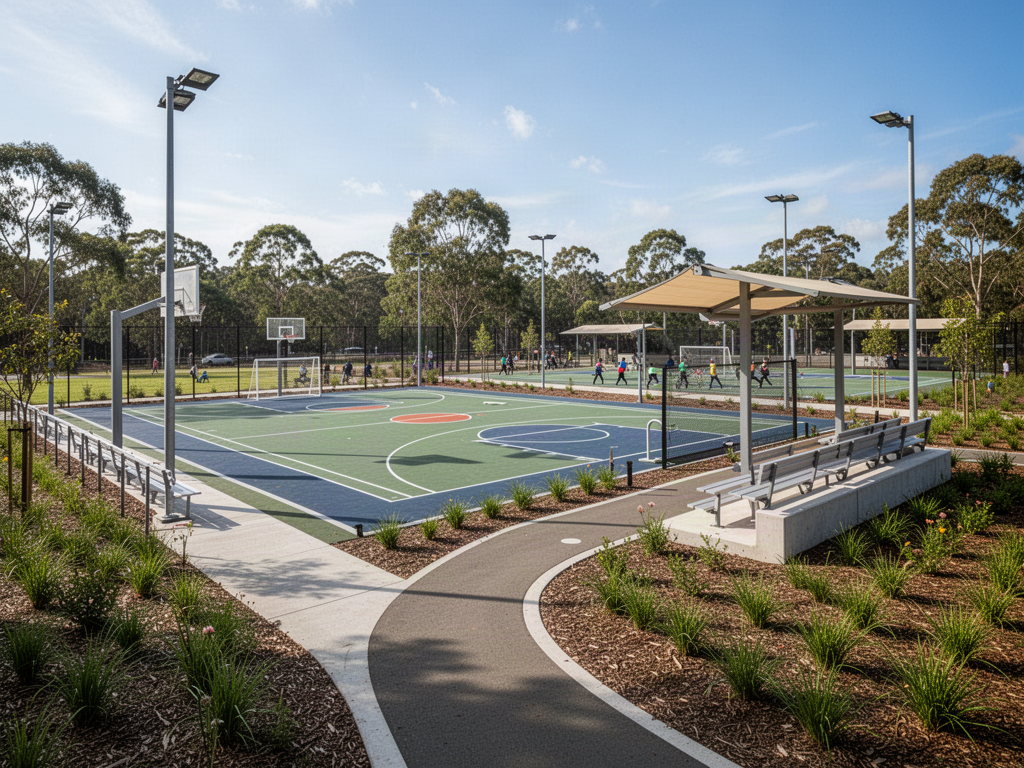
Pump tracks, courts and movement systems should be selected around target users, participation, supervision, accessibility, neighbour impact and future expansion.
 New Zealand
 New Zealand Sectors / New Zealand
Apollo supplies councils and public-sector project teams across active recreation, courts, pump tracks, lighting, street furniture, shade, public realm and resilience systems. The New Zealand pathway focuses on procurement clarity, lifecycle, public use, exposure and local delivery responsibilities.
Direct answer
For New Zealand council projects, define the public outcome, users, site, lifecycle expectations, maintenance model and procurement requirements before selecting products. Apollo can then coordinate relevant systems, quantities and available technical information while local design, approvals and construction remain with the appointed project team.
Project decision
Use these points to structure the first project conversation. Final suitability stays tied to the actual site, selected system and local project team.
Pump tracks, courts and movement systems should be selected around target users, participation, supervision, accessibility, neighbour impact and future expansion.
Street furniture, shade, bike infrastructure, canopies and civic systems can be coordinated around circulation, maintenance, corrosion exposure and local character.
Replacement components, cleaning, surface renewal, corrosion, lighting access and future refurbishment should be considered at procurement stage rather than after installation.
Clear quantities, technical information, exclusions, freight, local works and substitution requirements help council procurement teams compare like with like.
Apollo supplies the product layer. Local planning, accessibility, engineering, civil works, electrical work and installation remain project-specific responsibilities unless expressly included.
Comparison matrix
Start with the public outcome and site before choosing the product family.
| Public outcome | Apollo pathways | Early questions |
|---|---|---|
| Active recreation | RIDEspan pump tracks, sports courts, sports flooring | Users, footprint, base, drainage, supervision, noise |
| Public space | CIVARO, shade, canopies, bike and utility systems | Circulation, accessibility, maintenance, vandalism, exposure |
| Extended hours | Sports lighting, seating, containment and venue systems | Operating hours, neighbours, power, glare, maintenance |
| Coastal / exposed sites | CIVARO Coastal, weather protection, resilient products | Salt, wind, drainage, finish and maintenance regime |
| Community precincts | Sports, buildings, public realm and amenity systems | Staging, shared infrastructure, tender packaging, future growth |
Project brief
Frequently asked
Yes. Relevant recreation, public-realm, lighting, shade and supporting systems can be coordinated into one supply brief while technical scope and local works remain clearly separated.
No. Apollo is primarily supply-only. Local design, statutory approvals, civil works, engineering and installation stay with the appointed New Zealand project team unless separately agreed in writing.
Yes. Modular recreation, lighting, public realm and amenity systems can often be staged if the master plan protects future interfaces and services.
Next step
Send the site, dimensions, intended use, quantities and known local requirements. Apollo will review the relevant product pathway and keep local engineering, approvals and site-work responsibilities explicit.