Modular pool
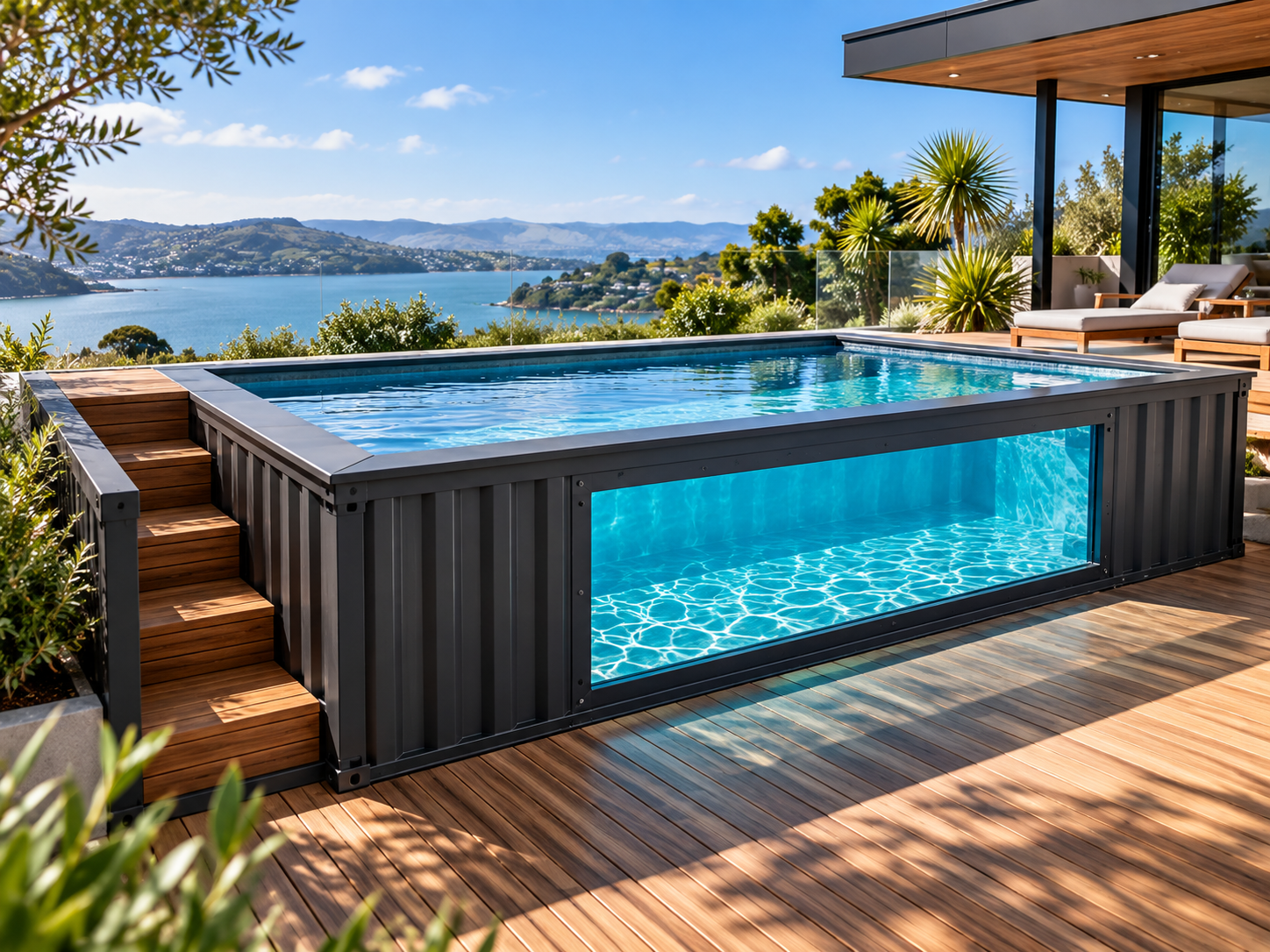
AUREMONT uses defined standard shell formats that are configured around equipment, delivery, lifting and site integration rather than custom shell dimensions.
 International
 Decision Centre / Global
The biggest difference is where the pool is created. A modular pool moves more work into controlled off-site production; a conventional pool creates more of the shell and geometry at the destination site.
Direct answer
Use a modular pool when a standard transportable format, factory-prepared system and crane-placement pathway suit the site. A conventional site-built pool may be more appropriate when highly custom geometry, site-formed structure or unusual integration is the dominant requirement.
Project decision
Use these points to structure the first project conversation. Final suitability stays tied to the actual site, selected system and local project team.
AUREMONT uses defined standard shell formats that are configured around equipment, delivery, lifting and site integration rather than custom shell dimensions.
Site-built pools can accommodate wider geometry freedom but place more shell construction, waterproofing and programme risk into the destination works.
A modular pool still needs foundations or support, drainage, services, crane access, barriers and local approvals coordinated before delivery.
Comparison matrix
Use this as an early project-screening matrix. Final suitability depends on the exact system, site, configuration and project requirements.
| Factor | Modular container pool | Conventional site-built pool |
|---|---|---|
| Shell production | Factory prepared | Site constructed |
| Geometry | Standardised / model based | Highly custom possible |
| Transport | Large completed module | Materials / equipment to site |
| Placement | Crane / lifting pathway | Built in location |
| Site works | Reduced shell construction, not eliminated | Higher shell construction scope |
Project brief
Frequently asked
No. The useful choice depends on the project outcome, site conditions, scale, local work, operating expectations, maintenance and required technical evidence.
No. Apollo uses a manual project-brief and quotation process so product family, quantity, destination, freight, configuration and project interfaces are reviewed before pricing.
Apollo is primarily supply-only. Local engineering, approvals, foundations, services, installation and other site work remain with the appointed local project team unless a written scope states otherwise.
Next step
Send the site, dimensions, intended use, quantities and known local requirements. Apollo will review the relevant product pathway and keep local engineering, approvals and site-work responsibilities explicit.