Community / education
Community/club training room with safe mats, supervision and equipment storage.
 Start Project Brief
GLOBAL SPORTS TECHNICAL LIBRARY
SPECIALIST · COMBAT SPORTS TECHNICAL CENTRE
Combat-sports facilities vary sharply by discipline—ring sports, tatami sports, grappling, boxing-style and martial-arts pathways all have different competition areas and safety requirements. The facility should start from the exact discipline and governing rules rather than a generic mat room.
INTERACTIVE FACILITY MAP
Select a layer to see why it matters. This is a conceptual coordination map—not a dimensioned court, field, structural or compliance drawing.
FACILITY LEVEL MATRIX
Do not copy elite-event requirements into every community project—or under-specify a competition venue from a school checklist.
Community/club training room with safe mats, supervision and equipment storage.
Academy with multiple training zones, bag/ring areas, strength support and spectators.
Competition-capable venue configured to the exact discipline and governing-body rules.
Major event arena with rings/tatami, warm-up, medical, officials, spectators, display and broadcast.
12 TECHNICAL TOPICS
Each topic is part of the same facility. Changing one layer can affect several others, which is why product selection should follow the complete brief.
Define the exact discipline, ring/tatami/contest area, safety margin, warm-up, officials and athlete circulation from the applicable rules.
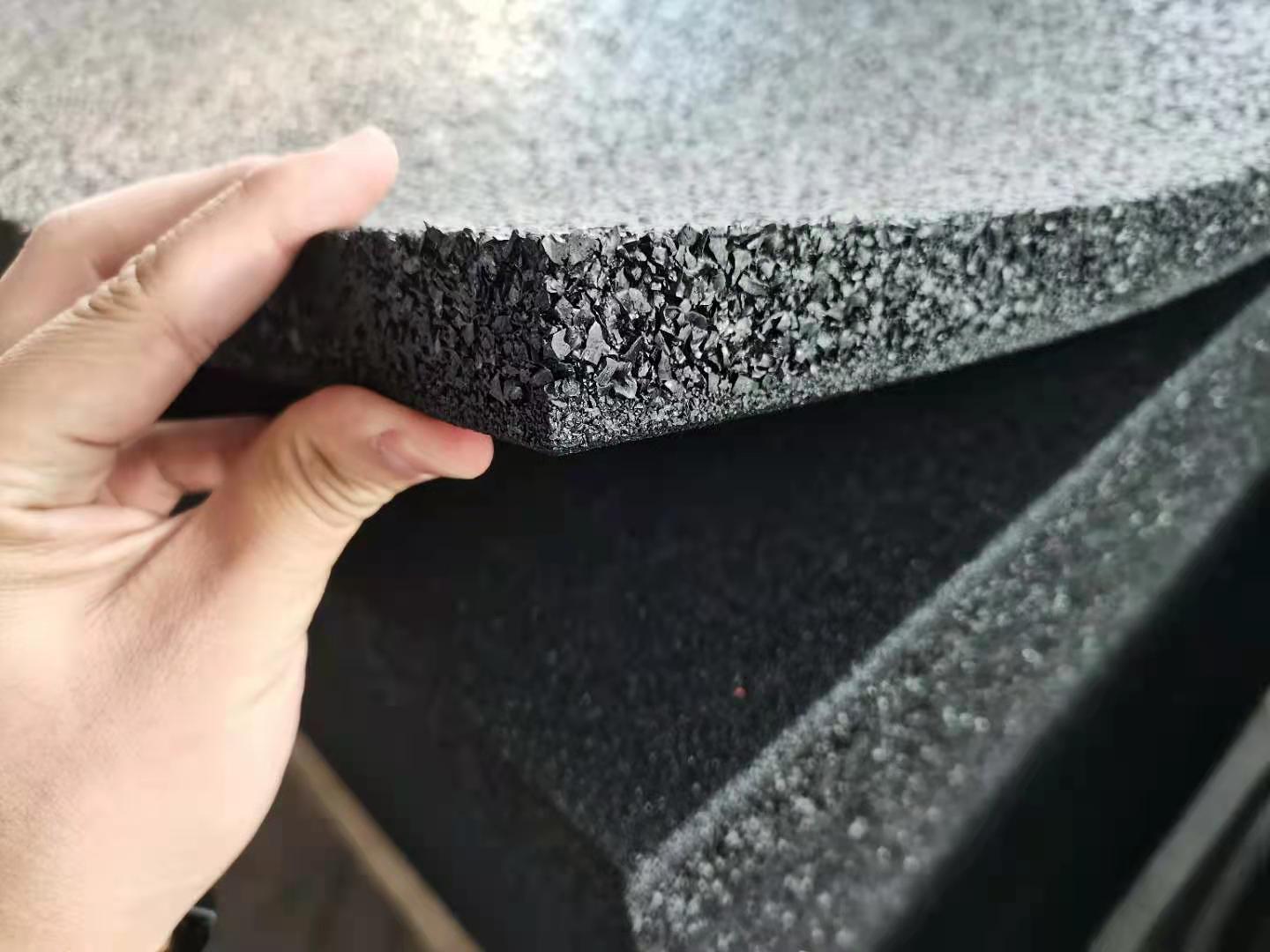
Mats, ring canvas/platforms and impact flooring should match discipline, fall/footwork demands and cleaning requirements.
Rings, cages where applicable, ropes/padding, tatami mats, bags, judging tables and protective equipment need exact evidence and safe setup.
Provide even visibility with minimal glare to athletes, judges and cameras; avoid shadows across rings/tatami.
Separate athletes, coaches, officials, medical access and spectators around competition areas.
Raised rings/platforms, suspended bags, lighting, scoreboards and spectator systems require structural coordination.
Ventilation, temperature, humidity, cleaning and odour control are significant operational factors in high-use facilities.
Accessible venue circulation, viewing and inclusive/adaptive programmes should be incorporated where relevant.
Mats, rings/components, bags, pads, protective equipment and event furniture require hygienic, secure storage.
Timing, scoring, judging, FÍSVOR displays, PA and cameras should match the exact discipline/event workflow.
Use the governing body for the exact combat discipline. WAKO, for example, publishes separate ring/tatami rules and current rule-change notices.
Inspect mats, ring/platform, ropes/padding, anchors, bags, timing/scoring, lighting and cleaning/hygiene controls.
EVIDENCE LADDER
Defines the sport or competition requirement. It does not automatically approve a supplier or construction detail.
Applies to an exact surface, equipment item or system configuration and the scope stated by the governing programme.
Where the sport offers it, field/court/facility testing confirms the finished installation rather than only the product.
Foundations, supports, wind/seismic loads, electrical, building interfaces and local-code compliance remain project-specific.
Warranty, documentation, spares, freight, installation responsibility and exact quoted configuration are closed before order.
SPECIFICATION INPUTS
These inputs can become a consultant brief, RFP schedule or Apollo project review without prematurely inventing an exact model.
Combat discipline
Training / competition
Contest-area geometry
Mat / ring system
Safety margins
Warm-up / athlete flow
Lighting
Scoring / timing
Medical / officials
Spectators
Storage / hygiene
PERFORMANCE-SPECIFICATION STARTERS
These are performance-based starting points, not a substitute for the project architect, engineer, governing body or exact selected-system data.
Define the exact discipline, ring/tatami/contest area, safety margin, warm-up, officials and athlete circulation from the applicable rules.
Mats, ring canvas/platforms and impact flooring should match discipline, fall/footwork demands and cleaning requirements.
Use the governing body for the exact combat discipline. WAKO, for example, publishes separate ring/tatami rules and current rule-change notices.
Inspect mats, ring/platform, ropes/padding, anchors, bags, timing/scoring, lighting and cleaning/hygiene controls.
DRAWING ROADMAP
Public planning diagrams can define intent. Exact fabrication, foundation, fixing and model drawings should follow only when the selected system is verified.
TECHNICAL DIAGRAM PACK
Four vector sheets cover plan geometry, vertical coordination, equipment/operations and spectator/technology interfaces. Verified sport dimensions are shown only where the technical baseline supports them; conceptual allowances remain explicitly labelled.
These diagrams organise coordination information. They are not fabrication drawings, engineering drawings, construction details, certified court/field layouts or statutory documentation. Current governing-body requirements, exact selected-system drawings and local professional design take precedence.
MAINTENANCE & LIFECYCLE
01Mats / canvas
02Ring/platform
03Ropes/padding
04Anchors / suspended equipment
05Cleaning/hygiene
06Lighting
07Timing/scoring
08Storage
TROUBLESHOOTING
Stop use in affected area and review joins/restraint and floor flatness.
Inspect frame, platform and anchoring before further use.
Review cleaning chemistry, drying, ventilation and storage.
Review aiming and fixture position relative to athletes/judges.
Separate athlete, medical, officials and public routes.
Verify the exact discipline rule book rather than using a generic combat-sport layout.
PRIMARY GOVERNING REFERENCES
We link to the governing organisation rather than republishing whole standards. Rules, manuals, approval lists and competition requirements change.
Reference review date: 4 October 2026. Governing-body content remains owned and controlled by the relevant organisation. Apollo's summaries are planning aids, not substitutes for the current official rules or local professional advice.
CITE THIS RESOURCE
Apollo NZ Global. Combat Sports Facility Technical Centre. LUTHVAR Global Sports Technical Library, 2026.1. https://apollonzglobal.com/sports/combat-sports/technical-centre
Technical reference & source policyPROJECT-SPECIFIC REVIEW
Apollo remains supply-only. Local design, foundations, civil works, installation, statutory approvals and professional sign-off remain with the appropriate project parties unless a specific support item is expressly included.