
Apollo NZ Global

Built Intelligence · Buildings & Global Projects · International projects

Becoming an International Wholesale Distributor: Building a Specialist Product Business

The best distributor partnerships are built around independent resellers who understand their markets, not suppliers expected to do every local sale for them.

Apollo NZ Global EditorialPublished 2026-11-18Project intelligence
Final product selection, technical documentation and local approval requirements are assessed for each project.
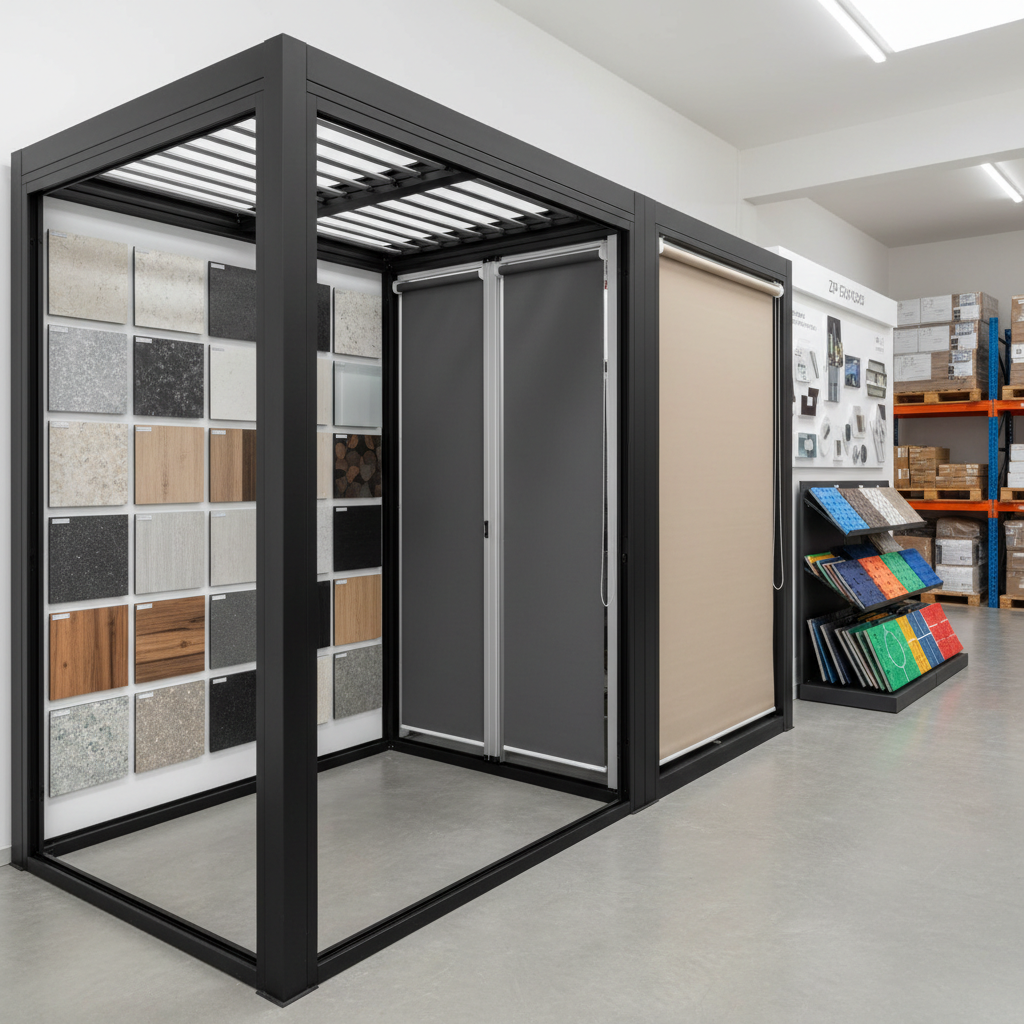
Specialist architectural and sports equipment wholesale display
01

Understanding the project

An independent wholesale distributor buys products from a supplier and resells them through its own business, pricing, customer relationships and local service network. Successful specialist distribution depends on product expertise, import capability, defined responsibilities, trustworthy technical documentation and a sustainable sales channel.

International wholesale distribution can offer an established trade business a way to expand beyond its existing supplier catalogue. Architects, contractors, sports facilities, hospitality operators and public-sector buyers often need product systems that are not easily available locally. A specialist distributor can bring technical knowledge, fulfilment capability and a reliable sales relationship into that gap.

But taking on a new product line is not the same as selling a popular consumer accessory. Some systems require drawings, model-specific performance evidence, site interfaces, installation partners and careful product liability boundaries. A supplier's beautiful brochure is only the starting point. The distributor's job is to turn a product category into a credible local service offering.
02

Understand the buy-direct and resell model

In a conventional independent reseller arrangement, the distributor purchases selected products from its wholesale supplier and resells to its own customers. The reseller normally sets its commercial offer, manages its own enquiries and bears the obligations of its local customer relationship. This is different from a referral or commission-agent arrangement, where the origin supplier may quote the end customer and pay the intermediary a fee.

Apollo's general preference is the wholesale buy-and-resell model. Other structures can be discussed individually where a market or project justifies them, but prospects should not assume that Apollo will perform all sales work or automatically pay commissions. Clear expectations make the relationship more sustainable.

03

Start with an existing customer base

The strongest opportunity often sits with companies that already sell to a relevant audience: an aluminium contractor expanding into louvres, a sports-surface contractor adding venue systems, or an import distributor serving resorts. Such businesses can apply relationships, knowledge and local service capability they already possess.

A new distributor should choose products that fit its actual channel. A company with good access to school procurement may be better suited to court systems than luxury outdoor kitchens, while a facade specialist may be well placed to discuss architectural screens. Product breadth is useful only when customers can receive competent advice.

04

Select products for the territory

Demand differs by climate, buyer type, purchasing process, logistics and local regulation. A coastal territory may value corrosion resistance and evidence for harsh exposure; a developing sports sector may prioritise courts, seating and equipment with dependable support; a hospitality cluster may need shade, pools or modular leisure systems.

Check the laws and supplier permissions applicable to a given product and destination. Some technical or controlled categories may require additional approval or may be unsuitable for a particular buyer. Not every Apollo product is automatically available in every country. A responsible distributor builds a product-by-market eligibility list instead of advertising the entire catalogue without review.

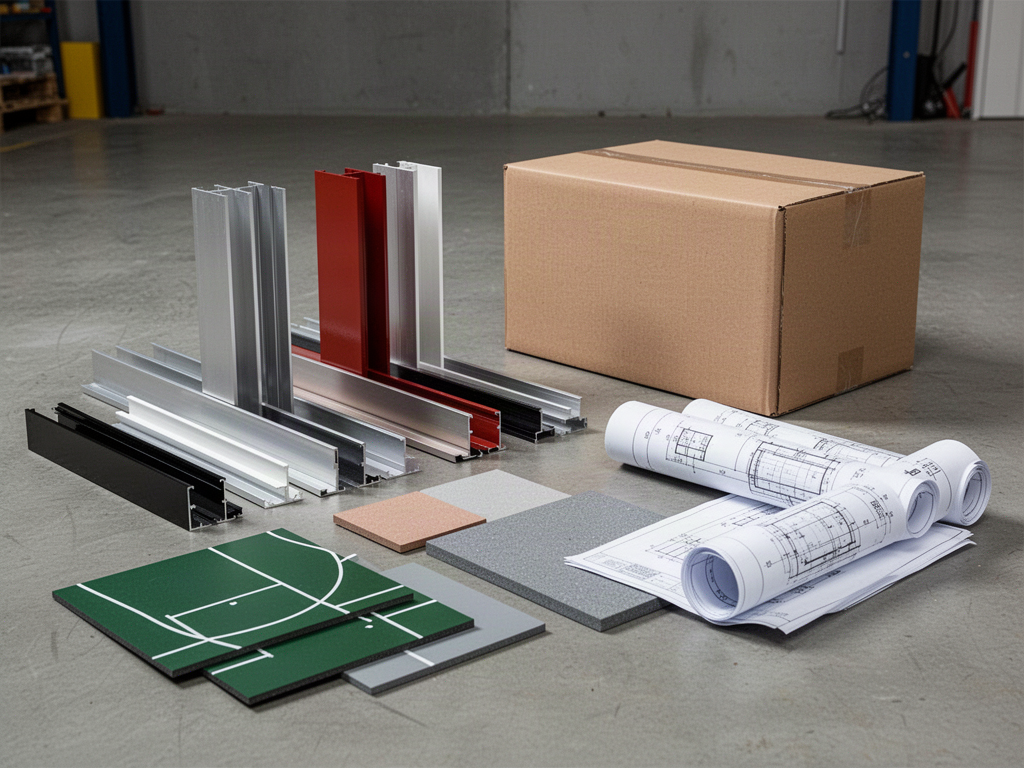
Architectural and sports product samples prepared for trade procurement
05

Build a credible technical sales process

Professional customers expect more than a price list. The distributor should be able to explain use cases, core dimensions, site information required, options, performance evidence and which matters must be referred to the manufacturer or a local professional. Staff should know when not to quote because the site brief is incomplete.

Create product-specific enquiry checklists and avoid repurposing general catalogue claims as guarantees. An engineering statement applicable to one configuration may not transfer to another. Trust grows when the distributor can confidently say which facts are verified and which require additional technical review.

06

Work with installers without becoming one

A supply-led business can build relationships with local specialist contractors for customer projects. The commercial arrangement should define who designs, installs, commissions and provides support. A distributor need not employ installers, but it should understand the local capability needed to bring the chosen products into use.

Where structural, electrical, hydraulic, security or other specialist systems are involved, local professional roles and permitting should be made explicit. Do not promise installation or site engineering on Apollo's behalf without an actual agreement. A dependable installer network helps local distribution, but it is not a substitute for contract clarity.

07

Import logistics are part of the offer

Freight planning involves more than the shipping rate. Long profiles, fragile glazing, large panels, powered systems and modular units may require specialised packaging and unloading. Import classification, customs duties, product documentation and destination standards differ across countries and product families.

State whether the offer covers shipping to a depot, port or specified site, and who handles customs clearance, inland haulage and lifting. Ask suppliers for actual packed dimensions and weights before promising freight costs or delivery dates. Reliable logistics create more repeat business than an attractive margin on a failed delivery.

08

Margins depend on the complete local service

The difference between purchase price and resale price is not the same as profit. A distributor must account for foreign exchange, freight, duties, warehousing, technical sales labour, returns, parts, local marketing and customer service. Higher-value specialised products can require long tender cycles and more pre-sale education than everyday stocked goods.

Build a product-level cost model that includes those obligations. Buyers may pay for local availability, sound product advice and dependable follow-through, but price discipline alone is not enough. A sustainable distributor should prefer a smaller range it understands to a massive catalogue it cannot support.

09

Marketing should match genuine buyer questions

Local SEO and industry content are useful because buyers search for problems, not only brand names. A distributor for sports flooring can publish genuine guidance about surfaces, maintenance and installation interfaces, linking to product pages and its own enquiry process. A pergola specialist might address enclosure choices, roof types and site conditions.

Avoid copying suppliers' entire articles verbatim or generating dozens of near-identical local pages. Distinct local expertise, genuine photographs where rights are held, useful technical answers and case studies with permission can build trust. No one should fabricate installation projects, customer reviews or product certifications.

10

Choose partnerships with clear responsibilities

Before agreeing to distribute a line, discuss product territory, expected purchasing model, pricing approach, product information, permitted marketing claims, returns, defective-goods handling, parts, brand usage and any exclusivity. For international transactions, seek appropriate legal and commercial advice so import and customer obligations are understood.

The US International Trade Administration publishes useful guidance on selecting and evaluating foreign representatives. Although its materials address exporters, the due-diligence principles are helpful in both directions: the parties should examine capability, market access, financial sustainability and the practical terms of cooperation.

11

How to approach Apollo NZ Global

A prospective distributor should present its trading name, country or territory, existing product categories, customer base, geographic reach, local installation or technical partners and the specific Apollo divisions it wants to represent. An enquiry that names a realistic initial product range is easier to evaluate than an unrestricted request for 'all products worldwide'.

Apollo is a wholesale, supply-led business. Independent resellers can discuss direct product purchasing and local resale, with alternative project arrangements considered individually. The starting point is a practical commercial conversation about compatible products, market needs, supply obligations and local capability.

  • Identify an established business and viable customer segment
  • Choose an initial product range by market
  • Confirm legal product and destination eligibility
  • Define wholesale purchase, resale and service responsibilities
  • Agree a realistic logistics and technical support framework
12

What a strong distributor application looks like

A useful introduction is specific. The prospective partner describes its registered business, territory, principal customers, existing product ranges, sales channels, import experience and available technical or installation relationships. It identifies the three or four products it believes can be sold responsibly and explains why those products suit its local market. That is far more actionable than a general request for an exclusive dealership over an entire continent.

The applicant should also explain its operating model. Does it maintain a showroom, quote to contractors, tender for public facilities, hold local stock or build projects around special orders? How will it handle end-customer enquiries and product information? A supplier can then determine whether the relationship fits direct wholesale resale or whether an individual project requires a different structure. This discussion does not need to begin with promises of commission, free stock or territory protection.

13

Build expertise around a small initial product portfolio

Taking on dozens of specialist categories at once can overwhelm a new partner's training and marketing budget. A better starting point is a range aligned with existing buyers. For example, a contractor supplying outdoor shade might add an adjustable louvre roof and compatible screen systems. A sports-equipment dealer might begin with a court-surface family and related maintenance products. Each product adds new specification questions, but the local customer relationship and technical language remain familiar.

Create a first-quarter plan around product understanding, staff demonstration, an approved enquiry checklist, freight routes and a short list of genuine target accounts. Evaluate whether prospects need specifications, samples or project drawings before ordering. Over time, expand into adjacent categories only when the team can support them. Growth should be measured by qualified enquiries, conversion, repeat customers and service quality, not the number of brand logos displayed on the distributor's website.

14

How to assess supplier quality before committing capital

A distribution prospect should ask whether technical documents match specific model variants, whether the supplier can identify manufacturing sources, how packaging and delivery are managed and what happens if a component arrives damaged. It should also examine availability of spare parts, manuals, warranty terms, revised drawings and responses to technical queries. For highly regulated products, model- and destination-specific eligibility must be documented rather than assumed.

Test the working relationship with a bounded pilot category or project. This can reveal whether the selected products are easy to explain, whether lead times and documents are consistent, and whether the company can answer customer questions without repeatedly sending them back to the factory. A successful first delivery is encouraging, but long-term distribution also depends on service, quality control and the ability to resolve problems. The best supplier relationship is reliable when a project becomes complicated.

15

Local SEO that supports a wholesale reseller

A trade reseller can become discoverable by answering the technical questions its own customers already ask. For example, a sports-flooring specialist might produce a genuine local guide on base preparation and surface options; an outdoor-systems dealer might explain fixed versus adjustable roof pathways. The content should use language relevant to the customer, identify appropriate product choices and link clearly to an enquiry process. It should not be a mass rewrite of the manufacturer catalogue with town names pasted into headings.

Search Console can show which queries and pages begin to receive impressions, but those figures are only part of commercial success. Review whether organic visitors become qualified project enquiries, whether the reseller can respond with correct product information and which articles assist sales conversations. Use permitted and authentic images. Brand and trademark rules should be clear, and product performance claims must remain supported by current manufacturer evidence.

16

Questions that should be settled in the partnership discussion

Who owns the end-customer contract? What product categories and territories are permitted? Is the partner buying for stock or ordering against projects? Which party provides quotations, technical information and shipping documentation? How are freight damage, warranty claims, returns and spare parts handled? Will the supplier permit brand assets and approved product photography, and are there any limits on claims? Where a local installation partner is needed, who contracts and supervises the work?

Can an overseas reseller demand exclusivity? That depends on a negotiated agreement and is not automatic. Will Apollo pay a standard commission? The preferred general model is wholesale purchasing and independent resale, with other arrangements considered case by case. Can every product be marketed in every market? No; classification, manufacturer permissions, applicable import rules and end-use concerns may limit availability. An effective partnership conversation documents these matters before the distributor builds a large marketing campaign around assumptions.

17

An initial ninety-minute distributor qualification meeting

A useful first discussion can cover five areas: the distributor's actual customers, the product categories that suit those customers, the territory and legal eligibility, the practical purchase-and-resell process, and the level of local technical or installation support available. Ask the prospective partner to describe its sales channel and two realistic first-project opportunities rather than demanding a speculative annual revenue forecast. This makes the meeting commercially grounded without creating false expectations of exclusivity or commission.

Close with a written note identifying candidate categories, documents still needed, supplier and reseller responsibilities, proposed logistics and the next commercial decision. No party should market a controlled or regulated product until its relevant permissions and destination requirements are understood. The strongest outcome is not a handshake over an enormous catalogue: it is a modest, clearly defined product pathway that the independent reseller is capable of selling and supporting locally.

Move from intelligence to project

Apply the thinking to the actual brief.

Open Wholesale Trade Partners Send a project brief
Project