
Central generator plant or distributed sets selected from the masterplan
RHELGAN Power & Energy Systems
Housing + Essential Services
Complete Community Power Systems
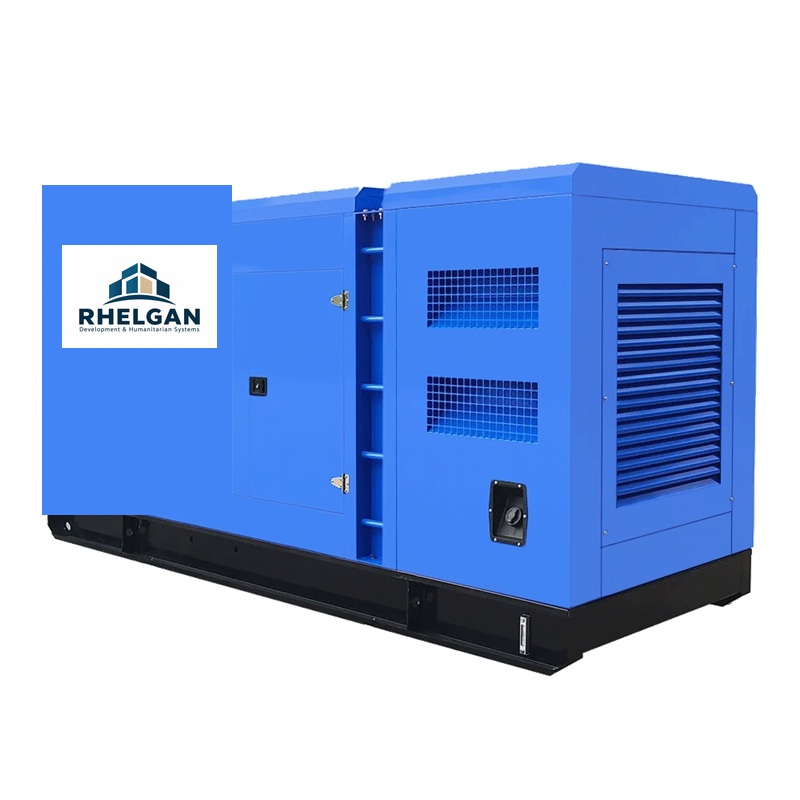
Centralised and distributed generator pathways for housing programmes and complete communities where clinics, schools, water, wastewater, communications and shared facilities need one coordinated resilience strategy.
Planning classes to review
Start with a range, then size from the real load.
POWER 150POWER 300POWER 500Parallel / containerised systems
Load definition
Identify what must keep running.
Water supply + treatment
Wastewater pumping + treatment
Clinic and health loads
Schools + community facilities
Communications + security
Selected housing or common-area essential loads
Power architecture
Choose the operating system around the generator.
Parallel sets where staged growth or redundancy is required
ATS at critical buildings or distribution points
Hybrid-generator support where solar + battery is part of the community energy plan
Fuel autonomy coordinated with emergency and logistics planning
Project inputs
What we need before the final configuration is locked.
Number of homes and actual household demand
Critical versus non-critical community loads
Utility distribution architecture
Phasing and future growth
Water / wastewater process loads
Grid availability, fuel logistics and local operating capability
Project specification control
A 50-home or 500-home project does not automatically map to a fixed generator size. Power is sized from actual household demand, common infrastructure, critical-load priorities, diversity, future growth and the selected distribution strategy.
RHELGAN POWER class names are planning references. Final generator rating, engine, alternator, emissions, controller, ATS, enclosure, cooling, fuel arrangement, certifications and local electrical compliance are confirmed for the exact project and destination.
RHELGAN · POWER & ENERGY SYSTEMS