The Apollo Moon Missions: A Guide for Schools and Skywatchers
From 1961's national commitment to land humans on the Moon to Apollo 17 in December 1972, the Apollo programme combined spacecraft engineering, navigation, scientific exploration and teamwork. This independent educational guide introduces the programme and connects its lunar questions to practical night-sky learning.
Free educational resource · Independent of NASA · No purchase required
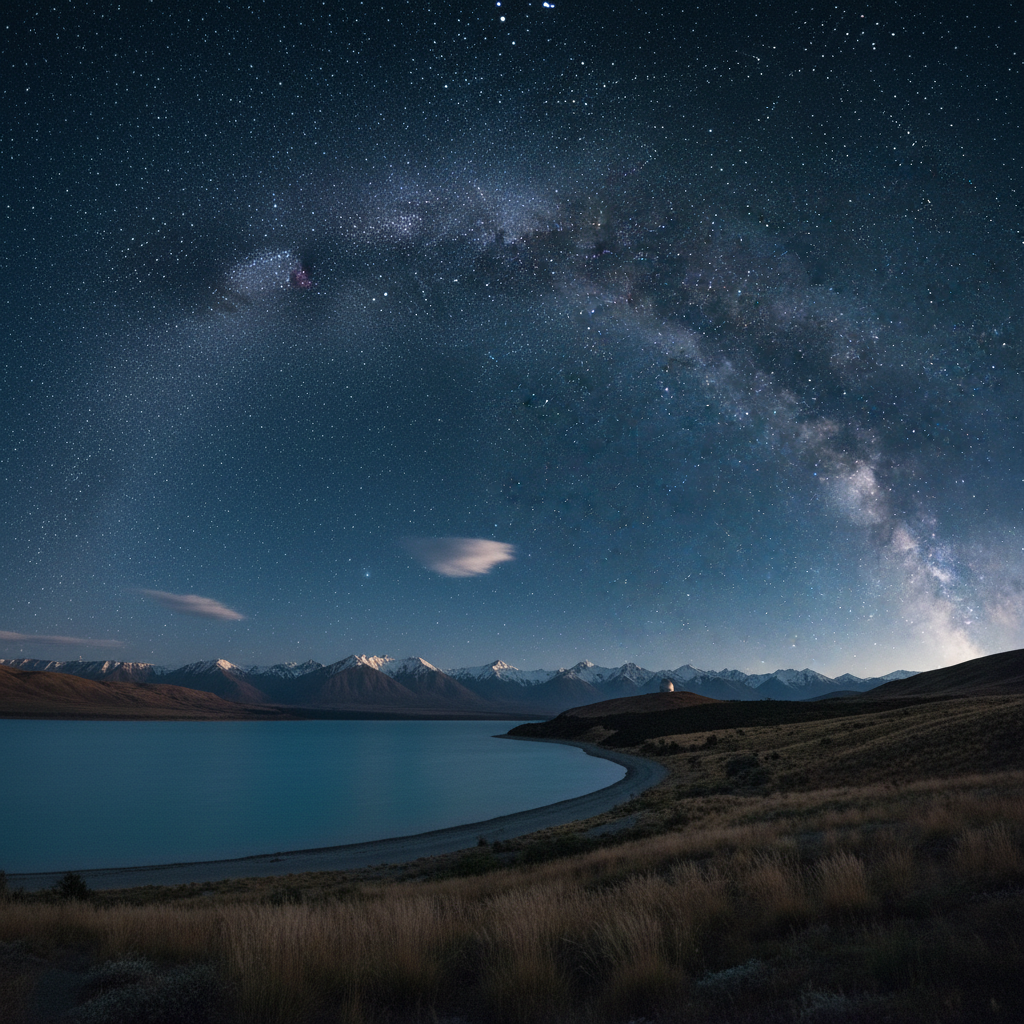
ASTRAVYR astronomy learning artwork, not a NASA mission photograph.
Lunar history Sky observation Classroom activities
01 / LEARNING TOPIC
What was the Apollo programme?
NASA's Apollo programme was a United States human spaceflight effort created to achieve the first crewed lunar landing and safe return. It developed progressively, testing launch vehicles, the Apollo spacecraft, lunar navigation and the landing system before crews attempted the lunar surface.
Apollo was not a single flight. The programme included Earth-orbit missions, lunar-orbit missions, six successful crewed lunar landings and the dramatic safe return of Apollo 13 after its planned landing was cancelled. For learners, the sequence shows how ambitious goals are broken into testable stages.
02 / LEARNING TOPIC
Apollo 11: first people on the Moon
Apollo 11 launched on 16 July 1969 with Neil Armstrong, Buzz Aldrin and Michael Collins. Armstrong and Aldrin descended to the Moon in the lunar module Eagle; Collins remained in lunar orbit in the command module Columbia. The first landing occurred on 20 July 1969, in the Sea of Tranquility.
The crew photographed the site, collected lunar samples and deployed scientific experiments before returning to lunar orbit and then Earth. An important engineering lesson is that descent, surface work, ascent, rendezvous and return all required separate systems to function.
03 / LEARNING TOPIC
How many Moon landings were there?
Six Apollo missions landed people on the Moon: Apollo 11, 12, 14, 15, 16 and 17. The later missions increased scientific exploration and used a lunar rover on Apollo 15, 16 and 17. Apollo 17 was the final Apollo lunar landing in December 1972.
A class activity is to create a timeline of the successful lunar landings and compare what each mission investigated. Students can distinguish crewed landings from lunar orbiters and uncrewed probes, which are different types of exploration.
04 / LEARNING TOPIC
Can we see Apollo landing sites through a telescope?
The Moon is an excellent observing target, but the equipment left behind by Apollo astronauts is much too small to resolve with ordinary backyard telescopes. Even a powerful amateur telescope shows craters and broader surface features rather than the lunar modules, footprints or flags.
Use an atlas to find the Sea of Tranquility, then observe lunar phases over a month. Students can compare the appearance of broad lunar regions as the Sun angle changes and explain how shadows make crater rims more visible near the terminator.
05 / LEARNING TOPIC
Three practical lunar learning activities
First, sketch the Moon on three nights at the same local time and record its changing phase. Second, compare a photograph from an official NASA Apollo archive with an atlas of the lunar near side and locate the broader region on a map. Third, calculate the Moon's apparent size by comparing a hand-held measurement against a known angular reference.
For younger learners, focus on the sequence of a mission and the names of spacecraft parts. Older learners can investigate orbital mechanics, rock sample evidence, radio communications, landing hazards and why an uninterrupted line of sight to Earth cannot be maintained during every part of a lunar orbit.
06 / LEARNING TOPIC
Use reliable sources and observe safely
NASA's official mission history, lunar surface journals and mission reports are primary sources for dates, images and technical facts. ASTRAVYR Space Academy is an independent Apollo NZ Global educational initiative; it is not NASA, is not affiliated with NASA, and does not claim government accreditation.
Never observe the Sun through a telescope, binoculars or finder scope without suitable certified solar-observation equipment and qualified supervision. Ordinary Moon observation does not require looking at or near the Sun.
Official NASA sources
The educational account above is based on NASA's own mission material. ASTRAVYR Space Academy is independently produced and has no affiliation with NASA or the Apollo space programme.
Essential site functions work without analytics. With your permission, Apollo measures which products and project pages are useful. Analytics stays off unless you allow it.