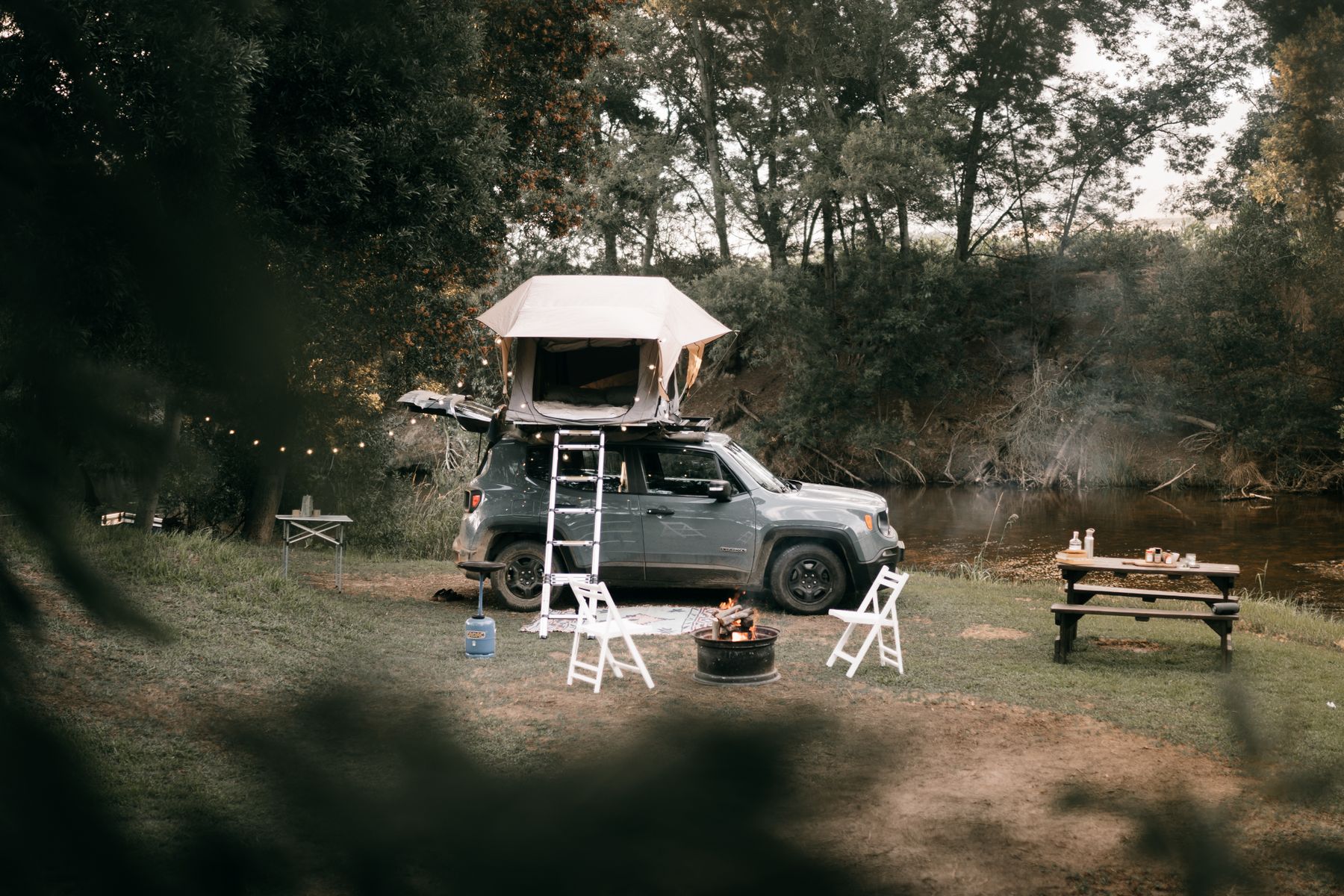
The best vehicle-camping setup is not the one with the most accessories. It is the one that fits the exact vehicle, number of travellers, route, climate and how often the camp is packed and moved.
Planning guidance — final supplied configuration remains project-specific.
01
Use the vehicle limits as the hard boundary
Record the exact make, model, year, roof or canopy system, rack configuration and published load information before selecting a rooftop tent. Payload, overall height and existing accessories matter once shelter, water and storage are added.
Vehicle and rack limits should come from the relevant source for the exact configuration rather than being inferred from a similar model.
02
Match the sleeping system to travel rhythm
Fast-moving trips often reward a hard-shell or wedge-style pathway with simpler opening and pack-down. Longer base camps can justify a larger soft-shell sleeping footprint or more enclosed living space.
Decide how many people sleep in the tent, how often the vehicle moves and whether bedding remains inside during travel before choosing around appearance alone.
03
Build shelter around the way camp operates
A straight awning can create quick side shelter for short stops. A 270-degree awning can create a larger side-and-rear living zone for longer stays. Doors, tailgates, ladders and cooking access should still work when everything is deployed.
Rooms and rear shelters add privacy and weather protection but also add carried mass, packed volume and setup steps. Each addition should solve a recurring travel problem.
04
Treat water, lighting and storage as part of payload
Water is especially easy to underestimate because every litre contributes roughly a kilogram before the tank, pump and fittings are counted. Lighting, batteries, racks, recovery gear and storage hardware also accumulate.
Keep dense loads low where practical, place frequently used equipment within direct reach and preserve access to service points, fasteners and electrical connections.
05
Test the whole camp before remote travel
Open the tent and awning, fit the room panels, fill and use the water system, run the lighting, pack bedding and complete a full departure sequence close to home. That exposes clashes and unnecessary steps before they become remote-route problems.
Final mounting, road-use requirements and destination rules remain vehicle- and market-specific. Apollo supplies the selected products and current product information; fitment and local compliance are confirmed for the actual project pathway.