
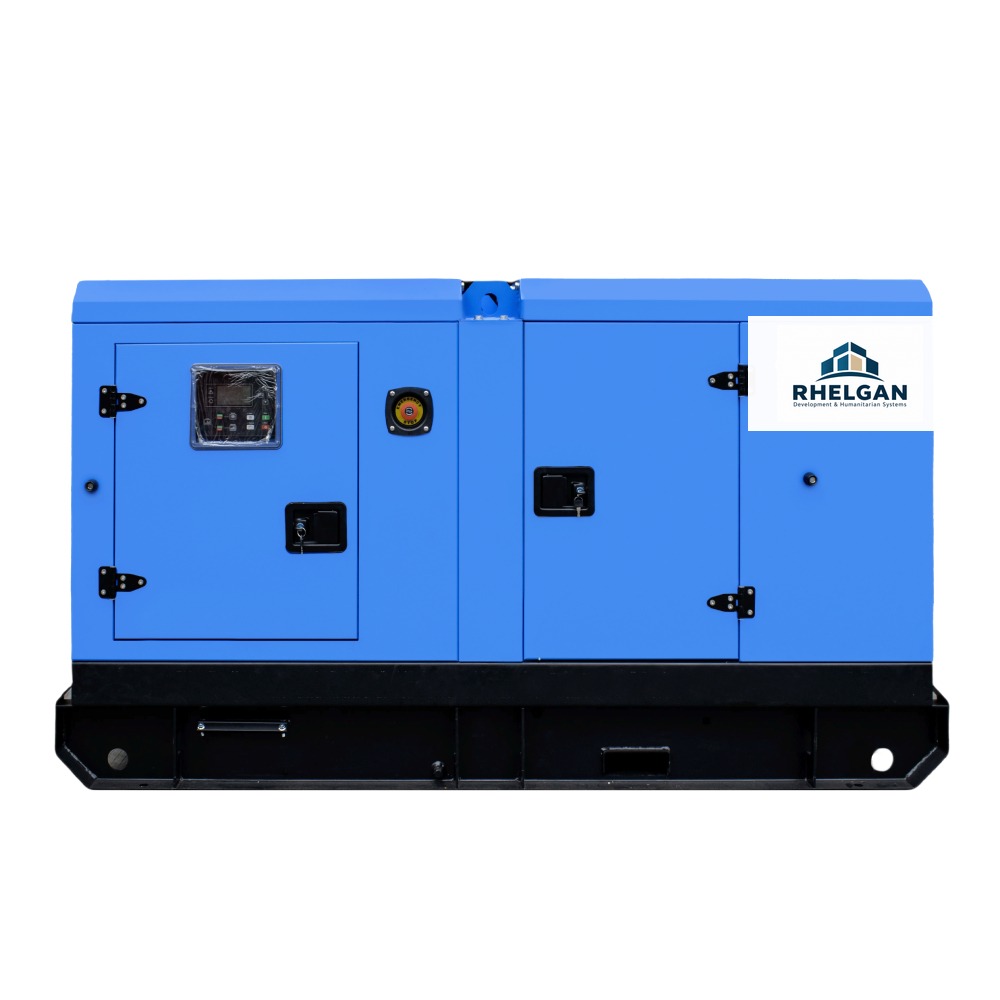
Silent enclosure for occupied campuses
RHELGAN Power & Energy Systems
Education Infrastructure
School & Education Power Systems
Project-configured generator systems for classrooms, administration, boarding, kitchens, ICT, water services and community-use education facilities.
Planning classes to review
Start with a range, then size from the real load.
POWER 30POWER 60POWER 150POWER 300 for larger campuses
Load definition
Identify what must keep running.
Lighting + classroom power
ICT + communications
Water pumps and sanitation services
Administration and security
Kitchen / food-service loads where included
Boarding or community-use essential services
Power architecture
Choose the operating system around the generator.
ATS where the school has grid supply and essential backup loads
Hybrid-generator support where solar + battery is part of the project
Extended fuel autonomy for remote schools
Mobile power option for temporary or recovery education sites
Project inputs
What we need before the final configuration is locked.
Number and type of buildings
ICT, kitchen and boarding loads
Water and wastewater equipment
Community use outside school hours
Grid availability and outage profile
Climate, altitude and acoustic constraints
Project specification control
School size alone does not determine generator capacity. Kitchens, pumps, ICT, boarding facilities, air conditioning and community use can materially change the load profile.
RHELGAN POWER class names are planning references. Final generator rating, engine, alternator, emissions, controller, ATS, enclosure, cooling, fuel arrangement, certifications and local electrical compliance are confirmed for the exact project and destination.
RHELGAN · POWER & ENERGY SYSTEMS