
Automatic mains-failure / ATS pathway
RHELGAN Power & Energy Systems
Health Infrastructure
Clinic & Hospital Power Systems
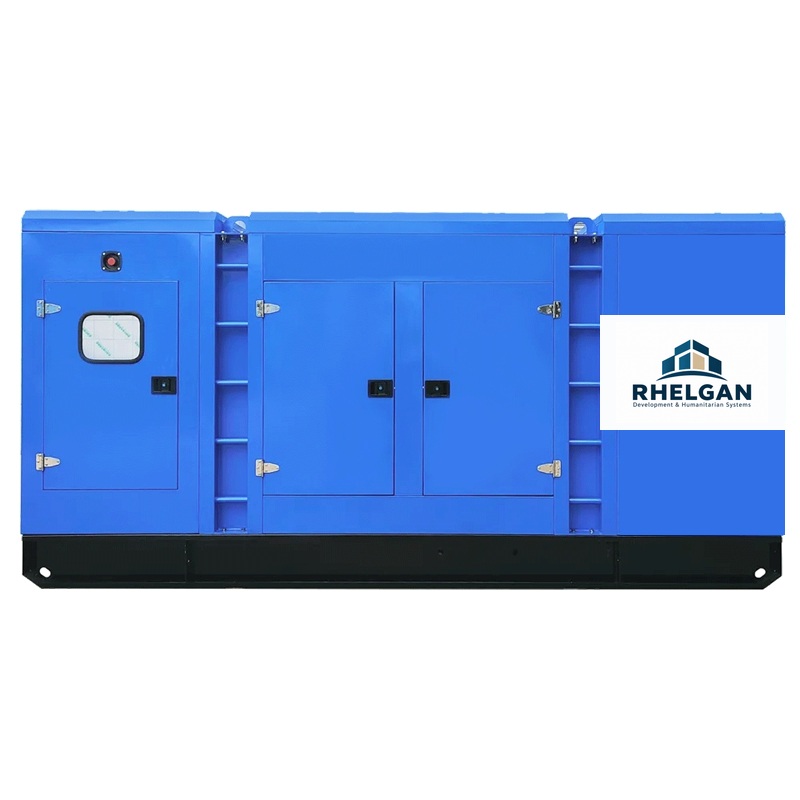
Generator and automatic-backup pathways for remote clinics, community health facilities and larger medical projects where loss of power can interrupt essential services.
Planning classes to review
Start with a range, then size from the real load.
POWER 60POWER 150POWER 300POWER 500 / parallel
Load definition
Identify what must keep running.
Clinical lighting + essential sockets
Refrigeration and medicine storage
Water, sanitation and pumps
Communications + IT
Selected HVAC / ventilation
Medical equipment defined by the facility brief
Power architecture
Choose the operating system around the generator.
Silent or weatherproof enclosure where occupied buildings are nearby
Remote monitoring where local technical support is limited
Parallel / redundant sets where the consequence of failure requires it
Extended fuel autonomy for remote or unreliable-grid locations
Project inputs
What we need before the final configuration is locked.
Actual essential-load schedule and starting currents
Clinical service model and operating hours
Grid reliability and outage duration
Local healthcare electrical requirements
Ambient temperature, altitude and site exposure
Fuel delivery, storage and maintenance capability
Project specification control
Healthcare projects can have local rules for life-safety systems, emergency supply, separation, transfer times and critical circuits. Final design and commissioning must be completed against the destination requirements and the actual medical load schedule.
RHELGAN POWER class names are planning references. Final generator rating, engine, alternator, emissions, controller, ATS, enclosure, cooling, fuel arrangement, certifications and local electrical compliance are confirmed for the exact project and destination.
RHELGAN · POWER & ENERGY SYSTEMS