Sports Flooring Maintenance: How to Protect the Surface After Installation
A sports surface is easier to own when maintenance has been planned before handover. Cleaning method, drainage access, spare materials and the way local repairs are handled can all influence how well a court performs over its life.
Apollo NZ Global EditorialPublished 2026-09-08Practical project guide
Planning guidance — final product and site requirements are confirmed per project.
01
Match cleaning to the surface type
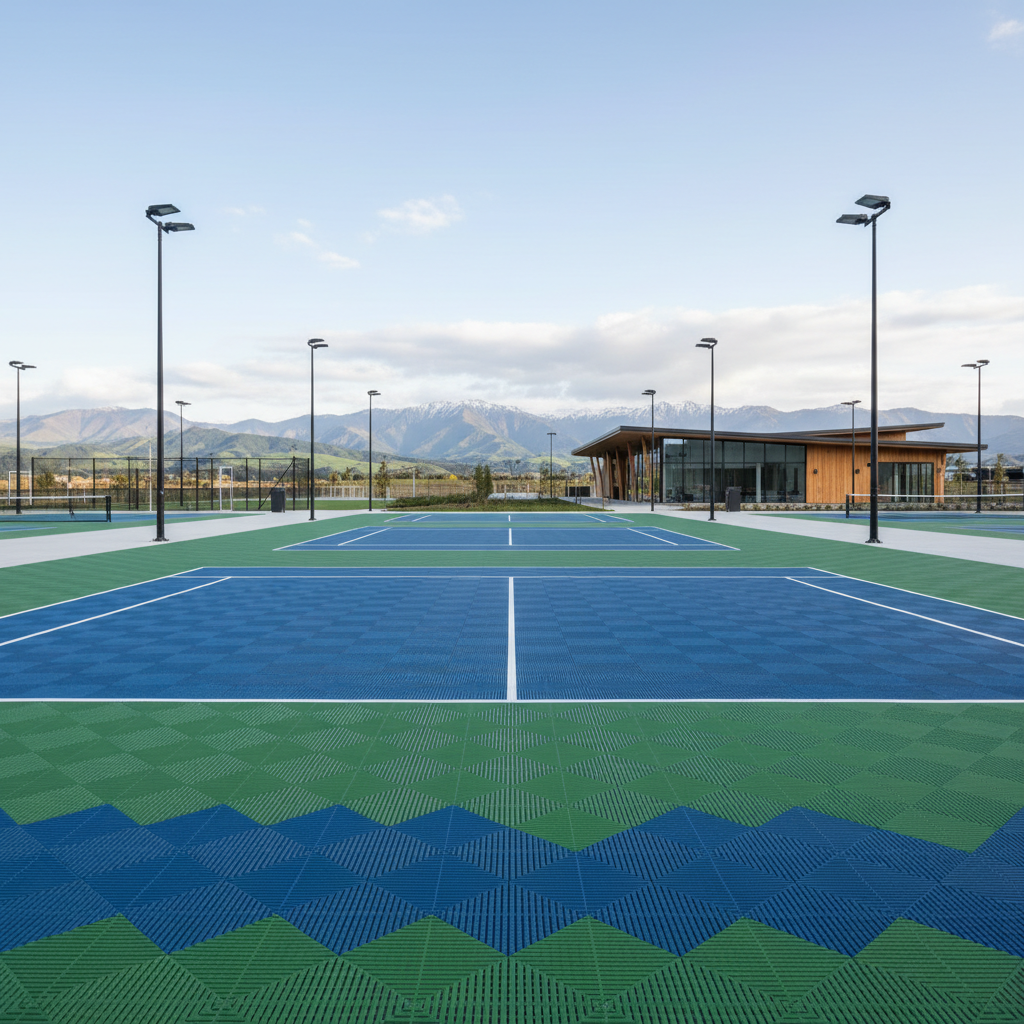
Modular tiles and continuous roll-out flooring do not have identical maintenance needs. Tile systems benefit from keeping the playing surface and the drainage space below free of debris, while roll surfaces need cleaning methods that protect seams, edges and the finished playing layer.
02
Inspect after weather and heavy use
Outdoor courts should be checked after severe weather, major events or equipment movement. Early attention to lifted edges, damaged modules, blocked drainage or seam issues is usually simpler than waiting until a small problem affects a larger area.
03
Keep matching repair material
A small stock of matching spare tiles, edging or approved repair material can shorten future downtime. Record the model, colour, batch and installation method at handover so replacement decisions do not depend on memory years later.
04
Treat maintenance records as part of the asset
Schools, clubs and councils benefit from a simple record of inspections, cleaning and repairs. It helps future staff understand what is installed and separates normal service life from product-warranty questions.