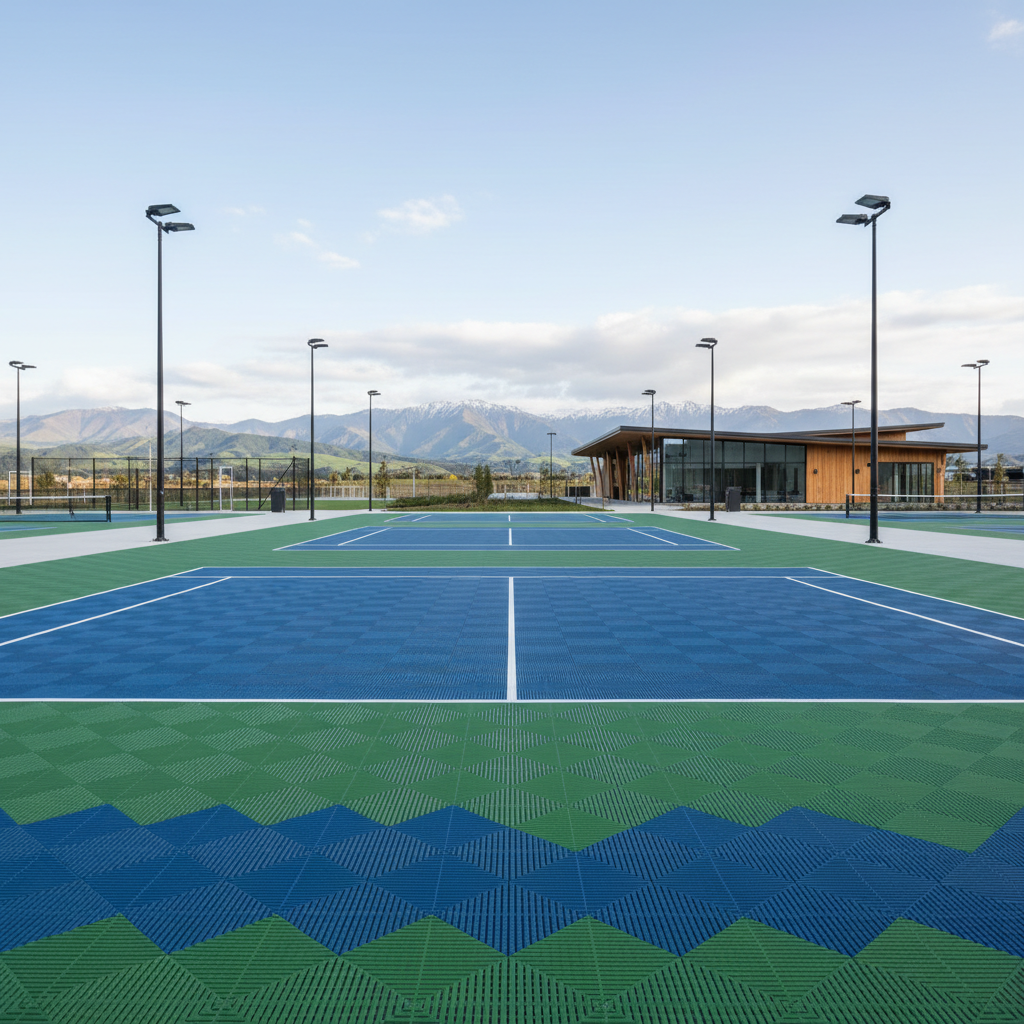
Sports Flooring for Schools vs Clubs: Why the Same Surface Is Not Always the Best Fit
Two courts with the same dimensions can need different surfaces because the people, operating hours and maintenance model are different. A school multi-use area and a specialist club court should be selected around how each facility actually works.
Apollo NZ Global EditorialPublished 2026-09-08Practical project guide
Planning guidance — final product and site requirements are confirmed per project.
01
Schools usually need broad flexibility
School courts can host several sports, PE classes, lunchtime recreation and community use. Surface selection therefore needs to balance durability, traction, drainage, line hierarchy and realistic maintenance rather than optimising only one sport.
02
Clubs can prioritise a more specific playing outcome
A dedicated pickleball, basketball or indoor-sport venue can place more weight on the feel and operating requirements of its main activity. That may justify a different tile family or a continuous roll-out pathway than a general school court.
03
Maintenance capacity changes the decision
A surface should suit the people who will clean, inspect and repair it. Replaceability, storage of portable rolls, access to spare materials and the frequency of court closures all matter when comparing options.
04
Plan the next use, not only the first one
Lighting, cameras, temporary events and new sports can be added later. A useful surface strategy leaves the facility flexible enough to adapt without forcing an avoidable full replacement.