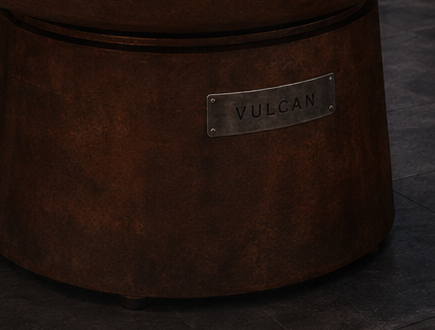
Corten is often chosen for outdoor fire products because its changing surface becomes part of the architecture. The material is intended to develop a weathered patina rather than maintain the appearance of freshly finished conventional steel.
Apollo NZ Global EditorialPublished 2026-09-09Practical project guide
Planning guidance — final product and site requirements are confirmed per project.
01
The patina is part of the material strategy
Weathering steel changes colour as it is exposed outdoors. The resulting rust-toned appearance is a deliberate part of the product language and gives a live-fire station a strong landscape and architectural presence.
02
Surrounding finishes should be considered
During weathering, runoff and contact with nearby porous surfaces can matter aesthetically. Paving, drainage, adjacent walls and the final grill position should therefore be considered as one outdoor design rather than selecting the metal finish in isolation.
03
The cooking plate and base perform different jobs
On Vulcan, the verified base pathway is 4 mm Corten steel while the cooking surface is a separate 10 mm carbon-steel plate. The base provides the architectural body; the thick cooktop provides the working thermal surface.
04
Choose finish around the project
Natural Corten is the defining look, while selected quoted finish pathways can suit projects seeking a different visual relationship with the architecture. The final finish should be confirmed with the exact model and quotation.