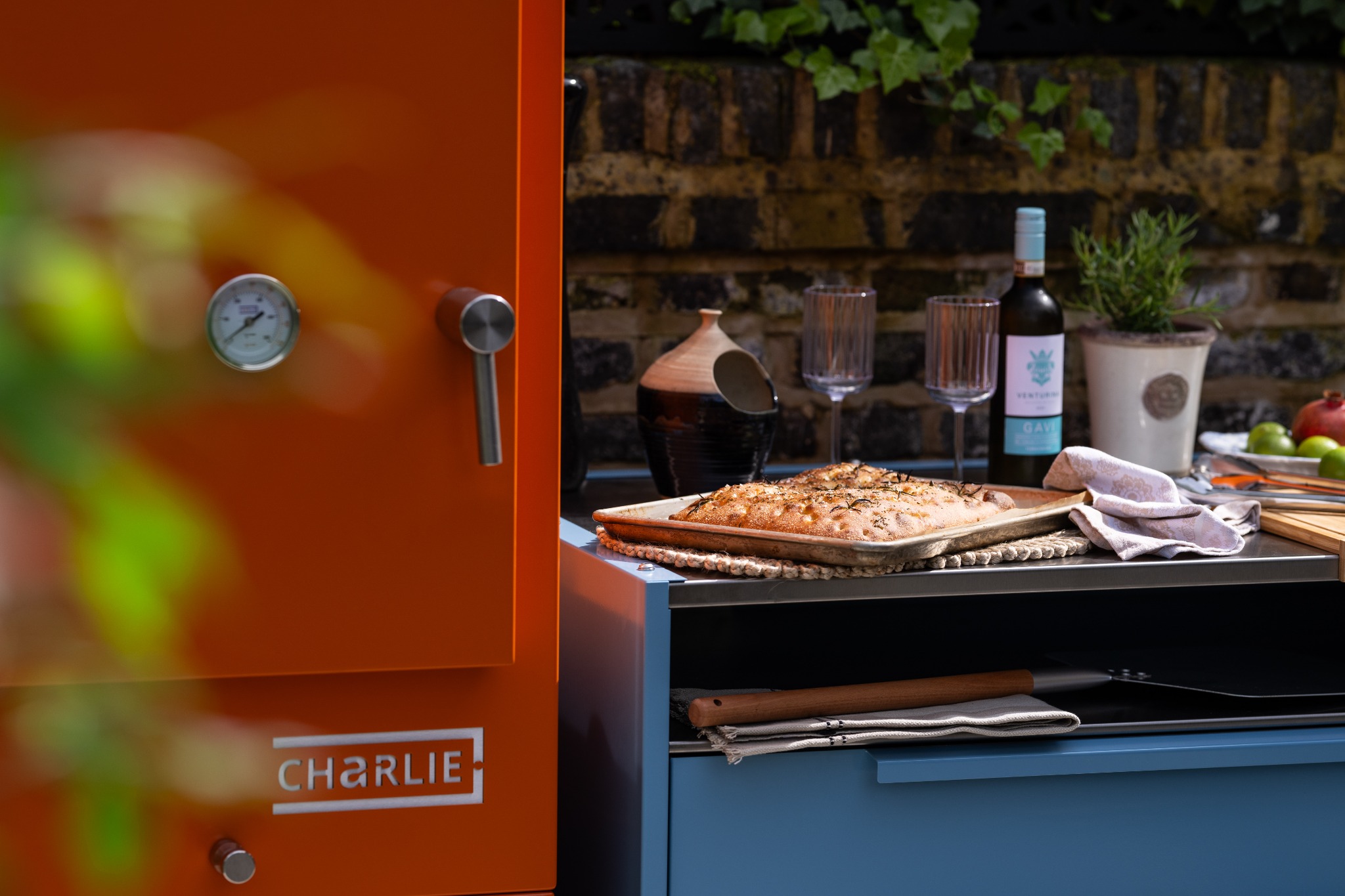
A multi-function charcoal oven can grill, roast, bake, smoke and cook pizza, but the project still needs to be planned around how those modes will be used. Fuel handling, ventilation, working space and operating rhythm matter as much as the appliance footprint.
Planning guidance — final supplied configuration remains project-specific.
01
Define the cooking modes that matter
List the meals and service patterns the appliance must support: fast grilling, pizza, roasting, baking, smoking or low-and-slow cooking. That determines which accessories, preparation space and fuel routine deserve priority.
Residential entertaining and hospitality service can use the same cooking modes but need different throughput, cleaning and operator workflows.
02
Plan charcoal and ash handling
Dry fuel needs an appropriate storage position away from heat and weather exposure, while ash removal needs a safe, practical routine. Do not let fuel storage, waste or cleaning equipment obstruct circulation around the hot appliance.
03
Review heat, smoke and enclosure
The exact appliance instructions should control clearances, ventilation and operating environment. Covered patios, pavilions and partially enclosed outdoor rooms require specific review because roof geometry and side enclosure can affect heat and smoke movement.
04
Coordinate cabinet, worktop and accessory pathways
Where a cabinet or supporting furniture pathway is used, check working height, door access, tool storage, landing space and service clearance around the appliance. Accessories should solve a recurring cooking task rather than simply increase the package size.
05
Confirm the final operating package before supply
Apollo confirms the selected Charlie configuration, colour, cabinet and accessory package against the project brief before manual quotation. Site support, installation, local fire requirements and any regulated services remain project-specific responsibilities unless separately arranged.